

























































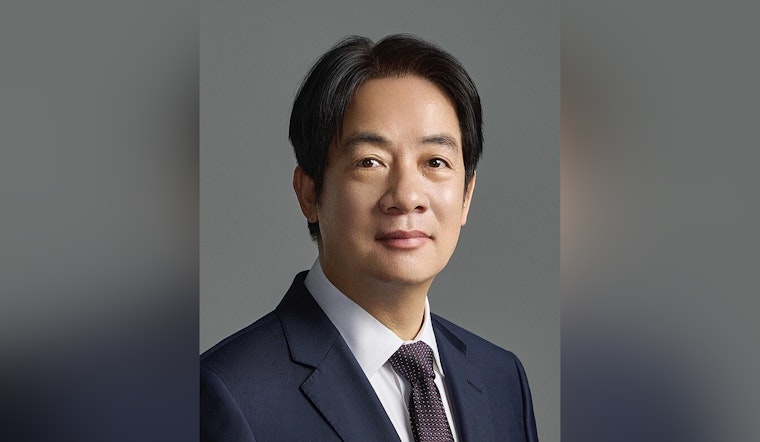
In a significant move for the semiconductor industry, Taiwan’s President William Lai Ching-te has praised the expansion of Taiwan Semiconductor Manufacturing Company (TSMC) in Arizona as a key development in diversifying the global chip supply chain. During a meeting with Arizona Governor Katie Hobbs, Lai emphasized that this $100 billion investment by TSMC to build additional chip foundries and facilities in the state is a prime example of efforts to reduce reliance on Chinese chip producers. As reported by ABC15, the President referred to it as the "best model" for such initiatives.
Arizona is expected to rise as a new hub for advanced manufacturing, thanks to these developments. TSMC, the world-leading chipmaker, has pledged a cumulative $165 billion to Arizona, signifying a deepening of tech ties between Taiwan and the United States, despite the latter not recognizing Taiwan as a country. Governor Hobbs expressed enthusiasm over Arizona's role, saying "I’m thrilled by Arizona’s emergence as America’s hub for advanced manufacturing," in a statement obtained by ABC15. As per Hobbs' office, the TSMC project is expected to create 40,000 construction jobs within the next four years and potentially tens of thousands more in tech and manufacturing.
This investment comes without pressure from former President Donald Trump, who had voiced desires to revive America's chip industry that he claimed was lost to Taiwan. On the contrary, President Lai and TSMC have clarified that the move was driven by customer demand. This "non-red" supply chain strategy aims to establish a semiconductor production ecosystem independent of Chinese influence, amidst ongoing military threats by China over Taiwan's sovereignty.
Even with TSMC's significant commitment to the U.S., the company ensures that its operations in Taiwan will not be affected. Boasting a workforce engaged in pioneering research, TSMC currently employs 10,000 people dedicated to the advancement of 1.0 nanometer chips technology. Taiwan's dominance in global advanced computer chip production, amounting to more than 90% according to AP News, remains unchallenged. The steadfast backing of the U.S. as Taiwan's main arms provider continues to be an essential element in the complex geopolitical tapestry that envelops this sector.
Moreover, the initiative appears to be poised for a broader impact, extending beyond economics and into strategic international relations. Governor Hobbs was quoted by AP News as saying that the TSMC project would "not only contribute to the global advancement of artificial intelligence and other technologies but also strengthen bilateral ties." This statement hints at the potential for the Arizona chip project to serve as a platform for enhanced cooperation between the two parties on a suite of advanced technological endeavors.



