

























































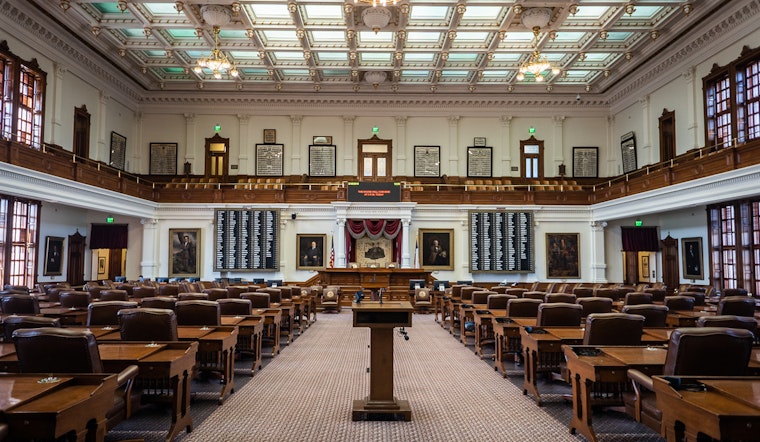
The Texas House Committee on State Affairs delivered a unanimous decision to quash House Bill 274, known as the "District of Austin" bill. The proposed legislation, which was voted down 11-0, sought to dissolve the City of Austin's government and establish a state-managed District of Austin instead. Rep. Briscoe Cain, R-Houston, the author of the bill, faced a dead end at the committee hearing with the notable absence of support from any of his legislative colleagues.
Cain, aiming to make the state's capital more accountable to the broader Texas population, previously cited surging crime in Austin as the impetus for HB 274. However, during the hearing, when probed by Rep. Chris Turner about the purpose of the bill, Cain referred to it as "more of a vehicle of things," hinting at its potentially flexible nature, as CBS Austin reported. This flexibility suggests Cain anticipated needing to amend the bill and integrate feedback, both from the legislature and the concerned public.
Despite Cain's concerns regarding crime rates, Austin pushed back with data demonstrating a different narrative. A memo released by the city highlighted that Austin's violent crime rate in 2024 was notably lower than several other Texas cities. According to KXAN the "Texas Department of Public Safety Uniform Crime Reporting System Crime in Texas Report Top 25 Violent Crime Comparison report," Austin's violent crime rate was measured at “59.6% lower than Houston, 43.8% lower than Lubbock, and 21.4% lower than San Antonio,” effectively undermining Cain's argument about the city's criminal climate, as KXAN reported.
The bill, rooted in the idea of bringing Austin under direct legislative oversight, required voters to approve a constitutional amendment to become effective on January 1, 2026. However, the House State Affairs Committee's dismissal of the bill amid laughter suggests a significant schism between Rep. Cain's resolution and the evident perceptions shared by his peers in the legislature. The legislation, once anticipated to be a decisive matter within the state's politics, found itself at the receiving end of comedic relief rather than legislative support.





.jpg)