

























































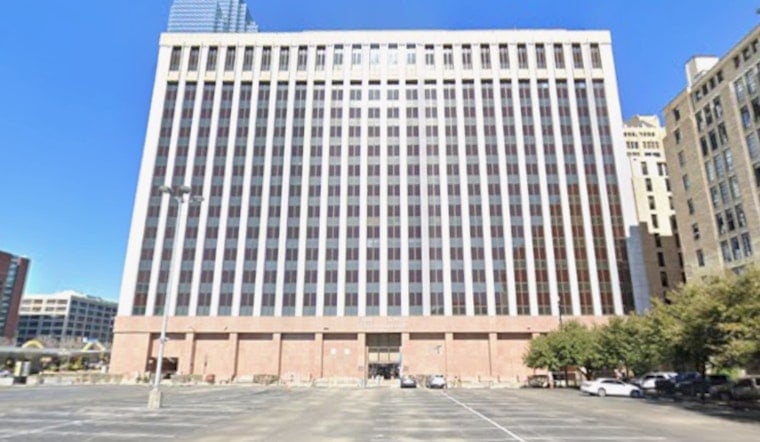
Last Sunday, a federal judge refused to toss a civil-rights lawsuit accusing Hood County officials of arresting and silencing a Granbury activist over a satirical Facebook post, sending the case on for further discovery. The move keeps alive claims that local law enforcement and the county crossed constitutional lines and puts a high-profile hometown dispute back in front of a judge and, potentially, a jury.
Judge Rejects Qualified Immunity
Chief U.S. District Judge Reed O'Connor denied qualified immunity to Hood County Sheriff Roger Deeds and investigator James Luckie, finding that Kolton Krottinger plausibly alleged violations of clearly established rights, including arrest without probable cause and First Amendment retaliation. As reported by Dallas Express, the judge wrote that Krottinger had alleged enough facts to get past the immunity defense and to press municipal-liability theories against Hood County.
Phone Seizure And Satire Ruled Actionable
O'Connor also allowed claims tied to the warrantless seizure and alleged search of Krottinger's cellphone to proceed, and wrote that the disputed post “did not violate the online impersonation statute on its face” because the material was political satire. The ruling, detailed by Texas Scorecard, leaves intact Krottinger's First Amendment retaliation claims against Sheriff Deeds and investigator James Luckie.
How The Arrest Unfolded
Krottinger was arrested on Nov. 5, 2025, on a third-degree online-impersonation charge connected to a photoshopped Facebook image shared on a page he operates. A Hood County justice of the peace discharged the criminal complaint in early December, and the Ellis County prosecutor later declined to pursue the case, concluding there was insufficient evidence that Krottinger created or posted the material, according to LegalClarity.
"This has nothing to do with a meme," Krottinger said, adding that the suit is about "the constitution and freedom of speech," a line he gave to Dallas Express. His lawyers argue the county and individual officers acted with retaliatory intent and that the public Facebook page was later limited as a forum for criticism.
What's Next In Court
The case remains active in the Northern District of Texas; court records show judges have already limited discovery to qualified-immunity issues and set pretrial deadlines. The docket, which includes a scheduling order and subsequent filings, shows the case is moving through normal civil-procedure steps toward potentially dispositive motions or trial, per the federal docket on Justia.
Why It Matters Locally
For Granbury and Hood County, the ruling raises fresh questions about how county leaders use criminal statutes against critics and whether social media policing by a sheriff's office can amount to official policy. Legal observers say denying immunity at the motion-to-dismiss stage does not decide the merits, but it does open the door to discovery that could prove municipal liability, as noted in reporting by Texas Scorecard.





