

























































Wrong-site operations, surgery on the wrong patient, and tools left behind inside a patient's body — these are the kinds of mistakes that are never supposed to happen in a Texas operating room. Yet state data shows roughly 200 errors across four tracked categories get reported every year, and in 2024 alone, Texas facilities logged 238 of these so-called never events.
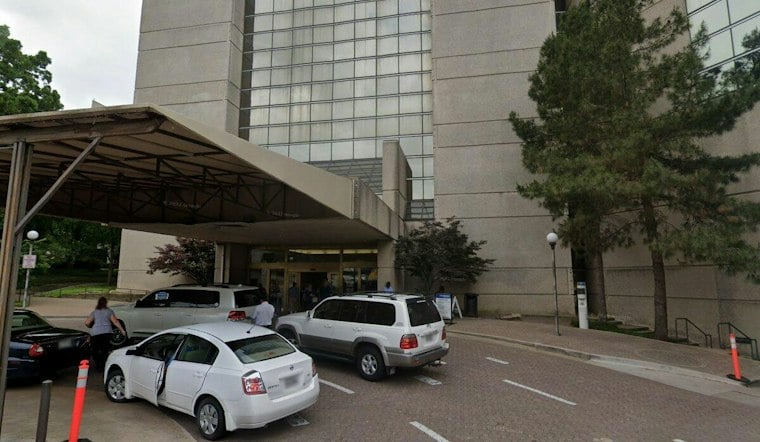
That figure comes from a new investigative series by The Dallas Morning News called Under the Knife, which examined wrong-procedure, wrong-patient, wrong-site and retained-object errors across the state. Reporter Emily Brindley's piece lays out three takeaways from the project, including a ride-along account of a surgical team working through an hourslong operation in San Antonio. The series also found that UT Southwestern Medical Center reported more surgical never events than any other facility in Texas, according to the newspaper's findings.
What Counts as a Never Event, and How Often It Happens
Texas hospitals and surgery centers are supposed to submit this data to the state, but the newspaper's reporting found that facilities submit it inconsistently, meaning the true annual number of surgical never events in Texas remains unknown. Reported data does show that retained-object errors — tools, sponges or other materials left inside a patient after surgery — make up a large share of the cases on file.
National figures tracked by the Joint Commission echo the trend. The organization's 2024 annual review found wrong-surgery sentinel events rose 13% year over year to 127 cases nationally, according to The Joint Commission. Of those wrong-surgery cases, 68% happened at the incorrect site, 12% involved the wrong patient and 11% involved the wrong procedure. The same data shows 51% of those cases led to temporary severe harm and 36% led to permanent severe harm, though no deaths were attributed to wrong-surgery events that year.
Retained-object cases followed a similar upward path, climbing from 110 reported events nationally in 2023 to 119 in 2024, the Joint Commission's review found. Sponges remained the most common item left behind, accounting for 40 of those cases. The commission has cautioned that because its sentinel-event reporting is voluntary, the numbers cannot be used to establish the true frequency of these errors or whether they are becoming more or less common over time.
Why a Timeout and Team Culture Matter in the OR
Medical providers and patient safety advocates point to two things that make an operating room safer: protocol and culture, according to the Dallas Morning News investigation. Protocols include steps like verifying the correct patient and procedure and confirming that no tools or objects remain inside the patient before closing. Central to that process is the operating-room timeout, a designated pause when the whole surgical team reviews the plan and has a chance to raise concerns before the first incision.
But a checklist only works if people feel free to speak up. A safe surgical culture requires every team member — not just the lead surgeon — to feel comfortable asking questions or flagging something that looks off, the investigation found. The American College of Surgeons has highlighted the Joint Commission's Universal Protocol, which calls for a final timeout to reconfirm the right patient, procedure and site, as outlined by facs.org. The group also notes that a self-administered safe-surgery checklist can encourage patients and family members to ask questions and take an active role before an operation begins.
Why Some Victims Can't Find a Lawyer
Patients harmed by these errors don't always have an easy path to accountability. Texas law caps non-economic damages available in medical malpractice lawsuits, a limit voters approved through 2003 tort reform aimed at reining in medical malpractice insurance premiums, according to NewsNation. That cap is not tied to inflation, meaning its real value has shrunk since it was enacted. Economic damages, such as medical bills and lost wages, are not subject to the same cap. County hospitals are governed by a different law altogether, with damages capped at $100,000 inclusive of both economic and non-economic losses.
Those limits have real consequences for who can get a lawyer. The investigation found that payment figures tied to these cases — an average of about $103,000 and a median of $58,000 per surgical never-event case, per the same outlet's reporting — make lawsuits difficult and unattractive for law firms to take on. Patients with low or no wages, who would otherwise be limited to pursuing non-economic damages, often struggle most to find an attorney willing to take their case.
Texas does require most hospitals and surgery centers to report preventable adverse events to the state, and the share of facilities doing so climbed from 46% in 2020 to 82% in 2024, NewsNation reported. Still, that improvement in reporting does not resolve the underlying question the Dallas Morning News investigation raises: how many of these mistakes are actually happening behind operating-room doors, and how many patients are left with little recourse once they do.


