

























































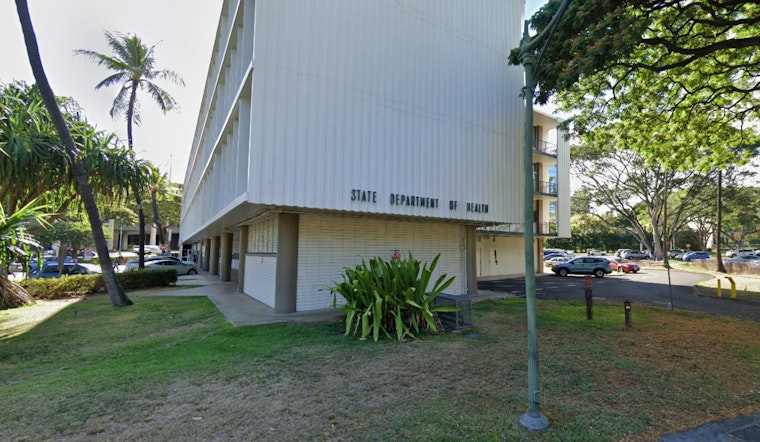
The Hawai‘i Department of Health has just reported another individual affected by the dengue virus on Oʻahu, marking it the third confirmed travel-related dengue case in the state for 2025. The announcement, published on March 6th, indicated the virus was contracted by the individual while journeying through a dengue-endemic region, as stated on the Department's website.
In response to this recent case, the DOH has sprung into action, sending teams to carry out inspections and mosquito control activities in the affected areas. Hawai‘i residents are being reminded that it's crucial to adhere to prevention guidelines to thwart the spread of dengue locally. Residents can breathe a little easier, for now, the dengue virus isn’t endemic to Hawai‘i; the recent cases have been imported by travelers coming in from areas where the virus runs rampant.
Across the globe, nations like Brazil, Argentina, and Thailand are wrestling with high numbers of dengue infections. According to last year's data, travelers from these dengue hotspots have been sources of Hawaiʻi’s reported cases. The Centers for Disease Control and Prevention has been emphatic about precautions for travelers headed to dengue-prone regions—recommendations include using EPA-approved insect repellents, donning protective clothing, and opting to stay in screened or air-conditioned accommodations.
If you've returned from a dengue-endemic area, avoid mosquito bites for three weeks to prevent local transmission. Symptoms like fever, nausea, aches, and vomiting usually appear within 14 days. The Health Department advises travelers with these symptoms to contact their healthcare provider. At home in Hawai'i, empty standing water to prevent mosquitoes from breeding.





