

























































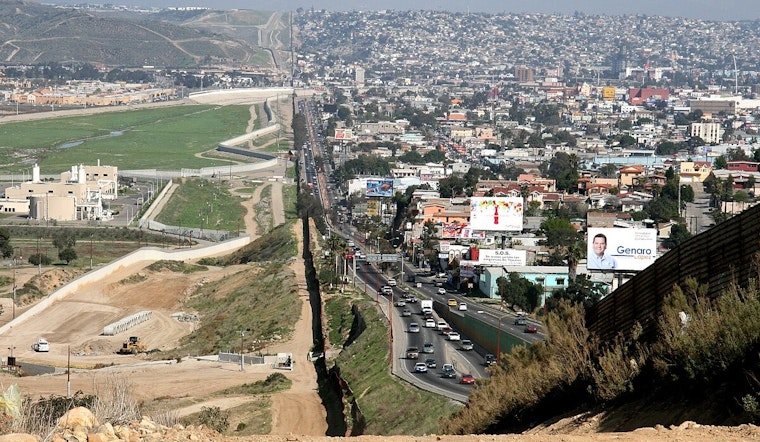
The phenomenon of migration is as old as civilization itself. But the recent data suggests a remarkable downturn in the number of migrants crossing the U.S.-Mexico border, hitting record lows not seen in several decades. Reports from ABC15 highlight that Customs and Border Protection encountered just over 61,000 migrants in January 2025, a sharp decrease from the 176,000 encounters one year earlier.
While some might view the decline as a solution to an often politically charged issue, others see emergent problems. According to humane aid organizations like the Green Valley Samaritans, this decrease has led to migrants taking inherently more perilous paths through the unforgiving Arizona desert. Sealing a once-open gap in the border near Arivaca, migrants, which dozens would pass through daily, now find the well-traveled and relatively safer routes replaced by treacherous journeys farther afield, according to statements obtained by KGUN 9.
Paul Nixon of the Green Valley Samaritans, in an interview with KGUN 9, explains the new dynamic: "This is where we welcome people, build fires, come out in the early morning and give them coffee and hot chocolate and just try and make sure they survive another day." The camp, previously a beacon for those seeking refuge, had to be moved to accommodate construction activities for the border wall.
Appreciating the increase in risks for border crossers, advocates are raising concerns about the health and well-being of migrants, particularly vulnerable groups like women and children. With 38 women found dead while crossing the border in 2023, and young children frequently arriving unaccompanied, the plight of these travelers is underscored by the harrowing stories shared with members of humanitarian groups as they strive to deliver vital supplies. Laurel Grindy, also a member of the Green Valley Samaritans, told ABC15 about the grim situations they face: "They are not prepared."
In a direct critique of U.S. border policy, Nixon attributes the increasing danger faced by migrants to strategies aimed at deterrence and expresses concern for the legal rights of asylum seekers. As Nixon stated to KGUN 9, "For decades, the policy of the U.S. government has been deterrence through death... We're here to provide immediate humanitarian aid."
Committed to their work notwithstanding these challenges, groups like the Green Valley Samaritans continue to serve as lifelines to those navigating the perilous landscapes of modern border crossing. They provide essential aid such as water, snacks, and blankets, ensuring that the basic needs of migrants are met in what are often desperate circumstances. For further information on their efforts, visit the organization’s website.



