

























































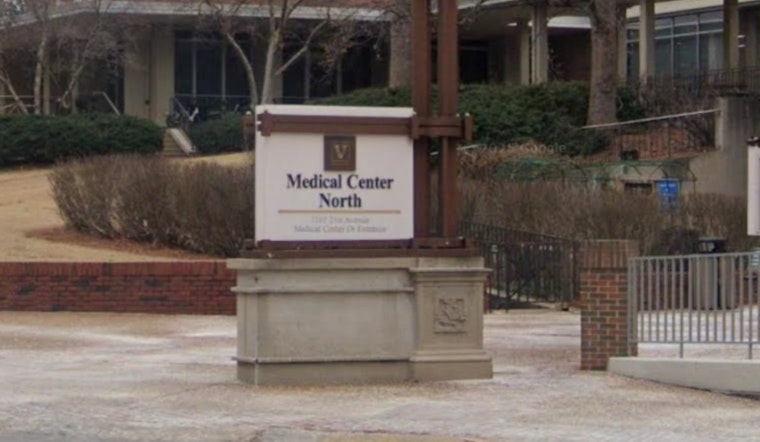
Vanderbilt University Medical Center is using a new AI-driven approach to improve antibody therapy discovery. With a grant of up to $30 million from the Advanced Research Projects Agency for Health, Vanderbilt University Medical Center researchers are creating an antibody-antigen atlas and developing AI algorithms to design antigen-specific antibodies. These tools will be tested to identify potential therapeutic antibodies for human trials.
Vanderbilt University Medical Center is developing a new approach to monoclonal antibody discovery that aims to improve the efficiency and cost-effectiveness of the process. Traditional antibody development has faced challenges, including the need for specific biological samples and extensive antibody screening. Vanderbilt University Medical Center's method uses artificial intelligence to address these issues and streamline the process. Ivelin Georgiev, PhD, leading the project, stated, "What we're proposing to do is going to address all of these big bottlenecks with the traditional antibody discovery process and make it a more democratized process — where you can figure out what your antigen target is and have a good chance of generating a monoclonal antibody therapeutic against that target in a very effective and efficient way."
The Vanderbilt University Medical Center team, along with partners from the Cleveland Clinic and the University of Copenhagen, is working on creating an antibody-antigen atlas, developing AI algorithms to analyze it, and using AI to identify antibodies for various medical conditions. They aim to include over a million antibody-antigen pairs in the atlas to address the current lack of diverse data. Dr. Georgiev said, "If we train algorithms on the data that exists currently — much of it is for SARS-CoV-2, flu and HIV — the algorithms may be accurate for these targets, but they are less likely to be successful in extrapolating to a new target." The project also uses Vanderbilt University's resources, including Vanderbilt Technologies for Advanced Genomics and Advanced Computing Center for Research and Education, to support the work and apply for an IND for their lead antibody. Dr. Georgiev added, "It's going to be hard. It's not an easy problem, but I think we have a good foundation for it, and we'll do the best we can to make it work."





