

























































As the balmy breezes of spring creep across Wisconsin, the state's Department of Natural Resources is gearing up for the flood of wildlife soon to animate the verdant landscapes. The department emphasizes the importance of understanding how to interact with the meandering younglings of the wild, vital for their survival and for keeping them ensconced in their natural habitats.
"Springtime brings a flurry of inquiries from concerned residents about the wildlife they are encountering," said Jenna Fastner, a captive wildlife health specialist with the DNR, in a statement obtained by the Wisconsin Department of Natural Resources. "You can help reserve space at wildlife rehabilitation centers for wild animals truly in need by always calling the DNR or a licensed wildlife rehabilitator before assuming an animal needs help."
Some residents may not realize that many species naturally leave their young to fend for themselves for spans of time. It's a survival tactic: while parents scour for sustenance, young critters often remain motionless and silent, a strategy to camouflage themselves from looming predators. Drawing undue attention to these vulnerable juveniles could, unfortunately, alert said predators or delay maternal return.
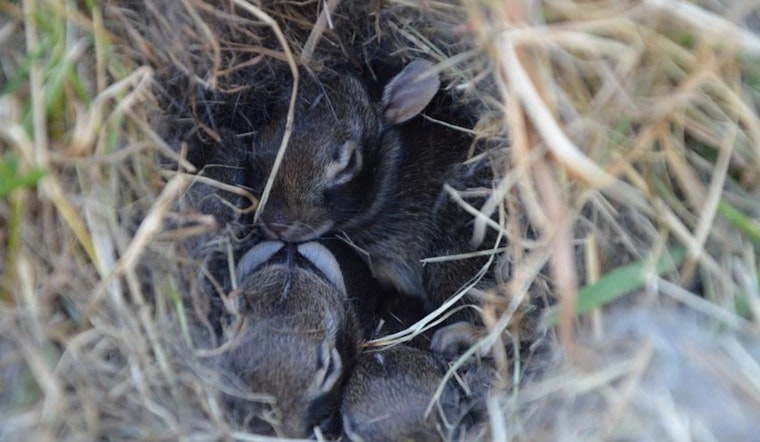
Interested observers, especially those with curious kids, are advised to observe from a considerate distance. Here's a snapshot of the critters you might see: cottontail rabbit kits with their eyes wide open after a single week of life, eastern gray squirrel kits peeking from their dreys, or tree cavities, by seven weeks, and raccoon kits, by 6-8 weeks, venturing boldly without maternal supervision. This insight comes from the Wisconsin Department of Natural Resources, which encourages residents to foster an environment respectful and protective of its more elusive citizens.
When encountering young wildlife, remember the DNR's protocol: keep your distance, resist the impulse to intervene, and contact the professionals if you suspect true distress. By following these guidelines, you contribute to the preservation of Wisconsin's vibrant wildlife narratives and ensure that future generations will continue to experience the bountiful encounters this season promises.





