

























































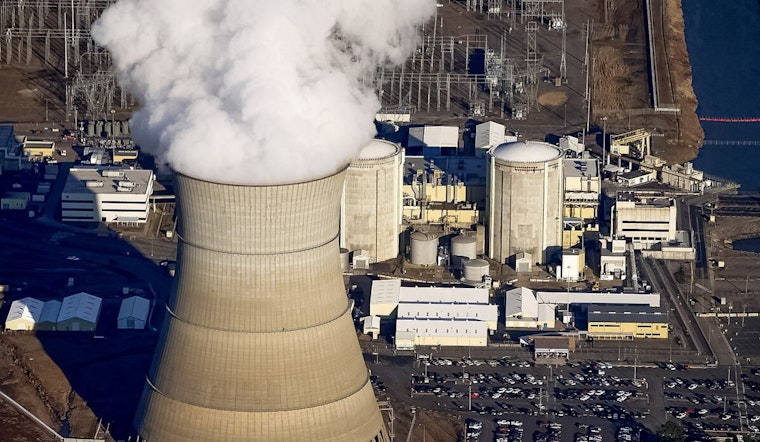
Arizona has thrown its hat into a legal ring that could critically shape the future of nuclear energy in the U.S. The state's House of Representatives has joined forces with a coalition of states and nuclear companies to push back against what they see as restrictive federal regulations holding back the development and deployment of advanced nuclear technology, like small modular reactors (SMRs). By challenging antiquated licensing rules enforced by the U.S. Nuclear Regulatory Commission (NRC), these lawmakers aim to nudge America into a new era of energy innovation. According to a press release issued by Arizona House Majority Leader Michael Carbone, the existing regulations unlawfully apply the same standards to SMRs as to traditional, full-scale reactors.
Joining Arizona in the lawsuit are Texas, Florida, Utah, and Louisiana, all of which argue that the NRC's one-size-fits-all approach to licensing is stifling the emergence of safer, more efficient nuclear energy alternatives. With the support of several nuclear companies, these states are taking a stand for what they believe is the right path forward for America's energy independence and technological progress. "This is a textbook case of Washington bureaucrats getting in the way of American progress," Speaker Steve Montenegro said in the statement obtained by the Arizona House Representatives, and Majority Leader Carbone adds, "But thanks to the NRC, these technologies can't move forward while our competitors overseas surge ahead. That stops now."
The issue at hand is the NRC's interpretation of federal law, which allegedly has not kept pace with technological advances in the nuclear sector. Critics of the status quo argue that SMRs possess significant benefits over their larger counterparts, such as being meltdown-proof and capable of running on recycled fuel. These attributes align with the House Republican Majority Plan that seeks to cut red tape and encourage energy innovation. As they stand united and represented, the suit also mirrors a broader Republican agenda aimed at reining in the authority of what they view as unelected bureaucrats.
During this legal challenge, the effects could reverberate through not just the energy sector but also across U.S. manufacturing and domestic economies. "The people of Arizona sent us to the Capitol to lead—and that's exactly what we're doing," Majority Leader Carbone added, according to the press release. If successful, this lawsuit could herald the utilization of SMRs within American industries, providing a reliable and affordable source of power for Arizona families, who are already being employed or considered in other parts of the world.



