

























































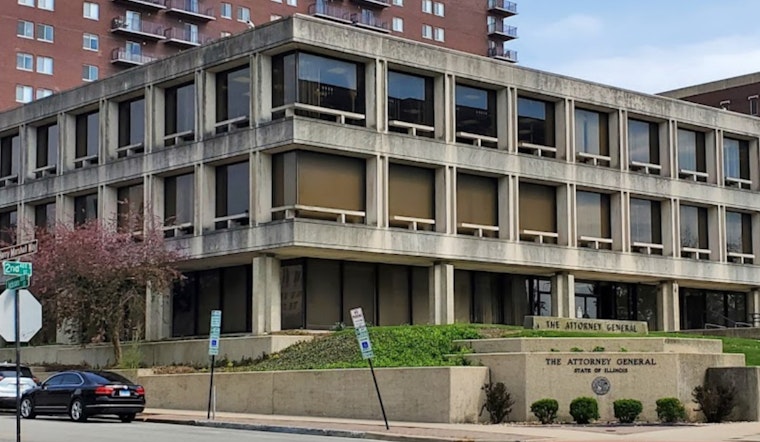
Stepping into the legal arena, Attorney General Kwame Raoul, leading a collective of 12 attorneys general, has initiated a lawsuit aimed at halting the Trump administration's imposition of what they classify as illegal tariffs, this action reportedly filed April 23rd, 2025, challenges a series of executive orders for escalating tariffs absent congressional consent. The suit, which has made its way to the U.S. Court of International Trade, refutes the administration's use of the International Emergency Economic Powers Act (IEEPA) as a means to justify these tariff hikes on a global scale, setting a precedent as this interpretation of the IEEPA for imposing tariffs is unprecedented in American history.
The tariffs, which exact a 145% rate on an array of products from China along with a 25% and 10% tariff on most goods from Canada, Mexico, and other global markets respectively, have sparked contention due to their broad reach and potential economic impact, Attorney General Raoul and the coalition asserts that such trade barriers will invariably strain state economies, inflating the cost of basic goods and transferring the fiscal burden onto the shoulders of residents, as articulated by Raoul in statements pertaining to the lawsuit he remarked "International trade is essential to states’ economies, and the administration’s tariffs will make it more difficult for our residents to purchase the basic goods they need at affordable prices," emphasizing a palpable concern over the repercussions of said tariffs.
The tariffs proposed by the Trump administration not only unsettle global trade but also have palpable ramifications at the state level, in Illinois, for instance, state government agencies like the Department of Innovation & Technology (DOIT) are compelled to renegotiate contracts that would oblige them to absorb the costs associated with tariffs, an adjustment that compounds the price of purchasing imported commodities like personal computers, which the DOIT sources annually for state employees, faced with these adjustments in the procurement process, vendors grow hesitant in their commitments, introducing an element of unpredictability into long-term procurement planning, as highlighted by the Illinois Attorney General's office.
Joining Raoul in this judicial challenge are attorneys general from an array of states including Arizona, Colorado, Connecticut, Delaware, Maine, Minnesota, Nevada, New Mexico, New York, Oregon, and Vermont each aligning with the stance that the legislative power to levy taxes resides exclusively with Congress making the case against the administration’s unilateral tariff impositions, as the consequence of these tariffs unfurl across various levels of the national economy, the pushback by these states underscores the broader apprehension surrounding executive overreach and its economic aftershocks, for more details on the states involved and their legal strategy against these tariffs, visit the Illinois Attorney General's website.





