

























































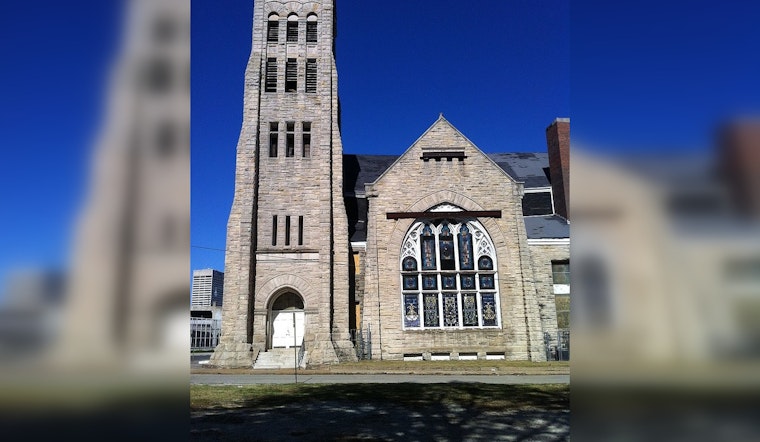
Early Monday morning, a fire ravaged the historic Clayborn Temple, an essential landmark of the Civil Rights Movement, situated in downtown Memphis, leaving the community and nation in shock, Local Memphis reports. The Memphis Fire Department responded to the emergency call around 1:30 a.m. and managed to contain the blaze within an hour, though the structure continued to smolder with hot spots into the morning; no injuries were reported during the incident.
The temple known for its indelible connection to pivotal moments in civil rights history, including the famous sanitation workers' march that brought Dr. Martin Luther King Jr. to Memphis in 1968 unfortunately the fire has resulted in a "total loss" of the interior according to Memphis Fire Department's Chief Gina Sweat, WREG mentions. Investigative efforts are now unfolding with assistance from the Bureau of Alcohol, Tobacco, Firearms and Explosives (ATF) to determine the cause of the fire, as it posed significant damage and a safety hazard, which currently prevents thorough onsite inspections, according to a statement by Chief Sweat obtained by FOX13 Memphis.
Before the blaze, the Clayborn Temple was amidst a revival, with a restoration project that had seen an $8 million investment in preserving its legacy, as Anasa Troutman, Managing Director of the Historic Clayborn Temple, told Local Memphis. Phase one of the restoration was meant to stabilize the building's infrastructure, setting it up for future expansion and further enhancement, including the care for interior elements like the church organ.
Following the disaster, civic leaders have voiced their grief, but also their resolve to honor the legacy of the Clayborn Temple, Mayor Paul Young referred to the site as "more than a historic building" it is "a sacred ground" that will continue to serve as a beacon for civil rights, a sentiment he shared with a crowd while standing in the ruins of the church, according to WREG. Russ Wigginton, President of the National Civil Rights Museum, also weighed in, emphasizing that while fire can take down walls, "it cannot destroy the spirit that built them," a statement captured by WREG.
As the ATF and local authorities continue their investigation, the Memphis community grieves the significant loss of a landmark that has been a cornerstone of their history for over a century, remembering it not just for its physical presence but for the activism it has housed and the change it has symbolized throughout its existence. The complete impact of the fire and the subsequent plans for the future of the site remain to be seen as the city begins to contemplate the ways it can continue to commemorate and embody the spirit of Clayborn Temple.





