

























































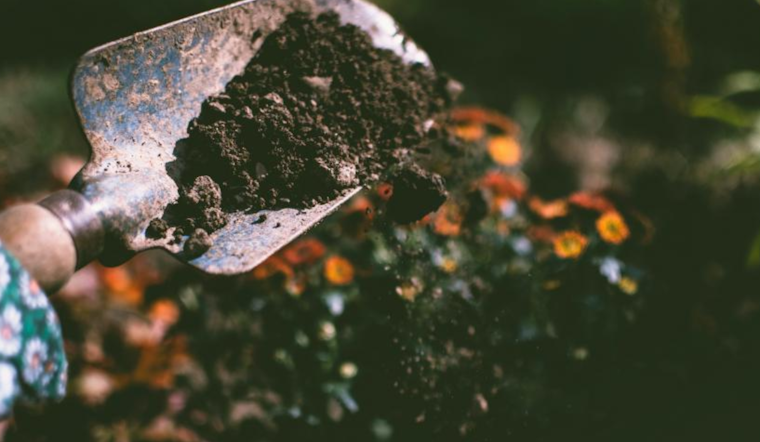
With International Compost Awareness Week just around the corner, it's high time to consider the benefits of composting. According to the City of Boulder, composting is not only an essential practice for maintaining healthy garden spaces but also a crucial step toward achieving zero waste and addressing the climate crisis. By composting, organic matter such as food scraps and yard debris is prevented from ending up in landfills, where, due to lack of oxygen and light, it contributes to the production of methane, a greenhouse gas far more potent than carbon dioxide.
As detailed by Boulder's initiative, compost acts as a natural carbon sink. It pulls the carbon dioxide, a major greenhouse gas emission, into the soil, helping to mitigate climate change. Captivated by readers, composting also brings the potential to feed close to 20,000 people with the food waste equivalent to 33 million pizzas thrown away each year in Boulder alone. These statistics starkly highlight the benefits and potential of composting within our communities.
The process of turning everyday waste into compost builds stable, living soils laden with beneficial bacteria and fungi that further nourish the natural environment. Highlighting the capacity of good-quality soil, it's been said that "one teaspoon of good quality soil can contain more living organisms than there are people on the planet," according to the City of Boulder. This rich, organic material enhances the soil's ability to absorb and retain water, which not only supports plant growth but also cools the environment, reduces erosion, and prevents water pollution.
There's more to compost than just its environmental benefits. Researchers from the United Kingdom have discovered a connection between a type of bacteria in soil and increased serotonin levels, which helps in mood regulation. Through backyard composting efforts, individuals not only contribute environment but also gain the physical and mental benefits of interacting with the soil. Feeling good with hands placed in the soil, the experience connects people with the earth in a grounding, stabilizing manner.




