

























































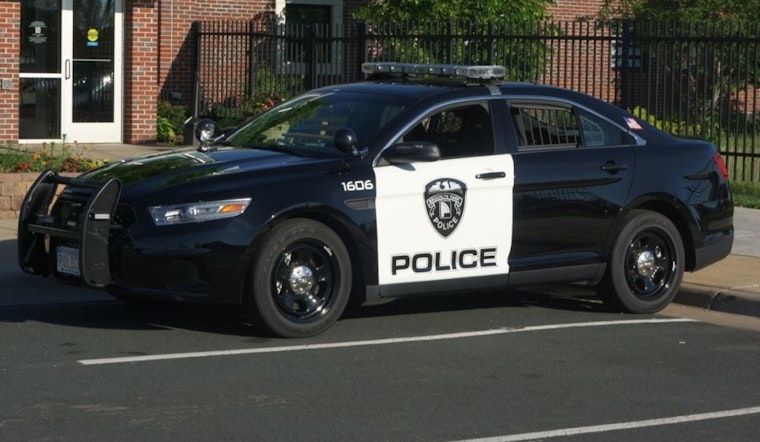
In an era where headlines frequently bear grim tales of rising crime and strife, Brooklyn Park, Minnesota, emerges with a narrative of triumph and community resilience. The sixth-largest city in the state reported historic dips in crime rates, with violent crimes slashing down by 25% in the past year and overall crime by 6%. This decline, as the Brooklyn Park Police Department suggests, is not the fruit borne by a single cause.
Police Chief Mark Bruley, seen as a steward of this downturn, attributes success to a multipronged approach. "We are getting smarter. We are doing more things that make more sense, that have a real impact," Bruley said, in a statement that echoed throughout community meetings and police briefings. Found wandering through the communities, these words have taken root in the consciousness of the people, reframing the discourse around crime from its solitary ownership by law enforcement to a shared burden.
In this collective effort, the Police Department has emphasized the importance of partnerships and proactive measures. Engagement with community members, outreach programs, and enhanced strategies in policing have fostered an environment where safety is not siloed but shared. Changes in tactics, more effective use of data, and an emphasis on community policing have played critical roles in this effort.
Acknowledging the complexity of societal issues woven into the fabric of criminal activity, Bruley notes, "One of the reasons we are so impactful today in dealing with crime is we no longer think of it any longer as just, 'It's a police problem.' It's a community problem. It's a social problem." This shift in perspective, by building community relationships, has not only altered the approach to crime prevention but has also, conceivably, repaired delicate bonds between the public and those sworn to protect it. With every step taken together, Brooklyn Park communities have demonstrated the power of unity in literally paving the way for safer streets.
As these strategies and collaborations continue to flourish, the residents of Brooklyn Park may feel the tangible effects of these historic lows in crime rates. Looking ahead, the focus lies on sustaining these gains and fostering an even stronger bond between the people and their guardians—a narrative worthy of replication by communities nationwide beset by the specters of crime and fear.





