

























































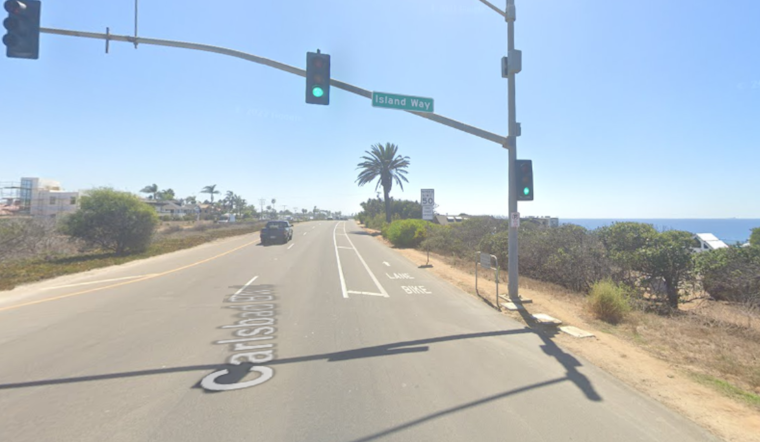
Earlier last week, a sea lion found itself in an unusual predicament, stranded along Carlsbad Boulevard near Island Way. The distressed marine mammal, a victim of domoic acid poisoning resulting from a harmful algal bloom, sparked a swift response from Carlsbad Police officers last Saturday. The police acted to protect it from oncoming traffic until SeaWorld's Rescue Team could step in to render aid. Reflecting on the incident, the helpful role of the local enforcement was crucial to ensure the sea lion's safety, as captured in a recent report by the City of Carlsbad.
Domoic acid poisoning has been tormenting marine life along the coast since the previous year, threatening not just sea lions but also dolphins and birds that partake in the tainted bounty of the sea. According to the information disclosed by the City of Carlsbad, this particular sea lion is now in the care of SeaWorld and receiving the professional attention it urgently needs. Despite this concerning trend, local beaches have generally remained open for public enjoyment, as the toxins from the algae have not posed a significant threat to swimmers.
On a broader scale, the California Department of Public Health has issued advisories specifically against the consumption of sport-harvested shellfish like mussels, clams, or scallops from Los Angeles and Santa Barbara counties. While San Diego County has yet to be placed under an official warning, state health officials still recommend proactively avoiding harvesting shellfish recreationally. Yet, commercially sold shellfish, which undergo regular testing, are deemed safe for consumption.
Spotting a marine mammal that appears to be in distress requires timely action. SeaWorld Rescue advises individuals to immediately call 1-800-541-SEAL (7325) or email [email protected], making sure to accurately note the animal's location, size, and condition, including the time they were last seen.



