

























































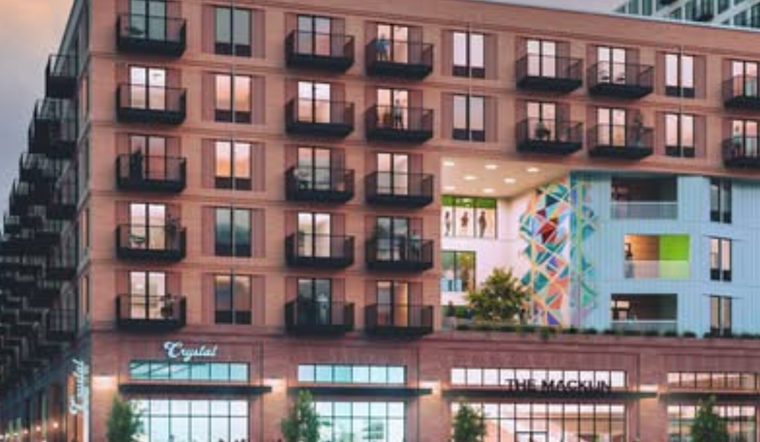
Amid the ongoing housing crisis that grips the region, new developments emerge aiming to alleviate the pressure. Mayor Andrew J. Ginther took to social media to announce a project aimed at tackling the shortage, a mixed-use development slated for the site where the former Spaghetti Warehouse once stood. According to a Facebook post by Mayor Andrew J. Ginther, the project will feature "much needed housing, including affordable, as well as market rate options."
With over 200 apartment units in the works, the development promises not only to provide shelter but also to spawn retail spaces that contribute to the local economy. Engaging with partners like The Robert Weiler Company and Moody Nolan, Mayor Ginther emphasizes the communal effort, stating, through Mayor Andrew J. Ginther's Facebook post, "It's going to take all of us working together to address the housing shortage across our region." The project, burgeoning with potential, stands as a testament to collaboration within the community, which is desperately needed in today's climate, and offers more than a mere place to sleep and eat for its future residents.
Reflecting on the economic landscape, the project signifies more than just construction; it is a step towards addressing a broader societal issue that has seen countless residents struggling under the burden of high rents and scant availability. With the promise of affordable units mixed in, the potential for relief is tangible, giving a shot at stability for those teetering on the edge of housing insecurity.
As we look upon the transforming cityscape, we see not only steel and mortar taking shape but also the footprint of policy and innovation. The promise of retail space, alongside the housing units, speaks to a vision of integrated community living, reviving a spot once known for its bustling dining scene with a different kind of sustenance for the local populace. In crafting these spaces, workers will hammer together not just walls, but the potential for community and connection, flawed only by the hope that the finished structures will fulfill the heavy expectations resting upon their yet-to-be-installed beams.
It remains to be seen how this development will impact the local housing market in the long run, but for now, it stands as a beacon of progress towards a more balanced and inclusive urban landscape. With the Spaghetti Warehouse chapter closed, the city turns a new page, perhaps one that will lay out a blueprint for tackling one of the most pressing issues of our times. As Mayor Ginther and local organizations have put it into motion, it is clear that this effort to address the housing shortage is one they hope will be echoed across the region.



