

























































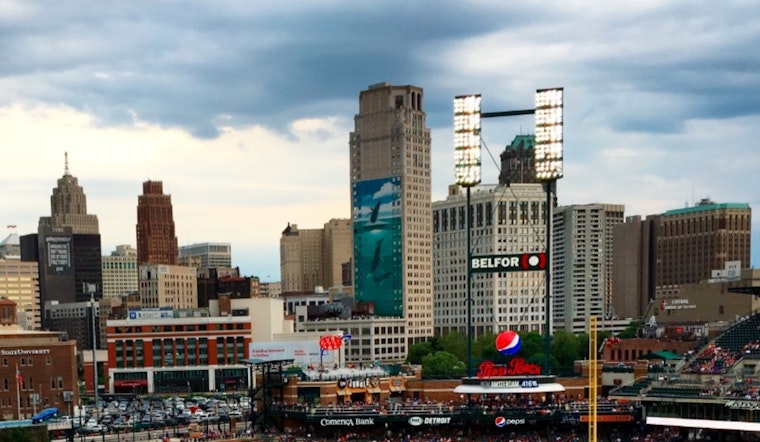
The American Lung Association's 2025 "State of the Air" report positions the Detroit metro area with a notorious distinction—the sixth-worst air quality in the nation for year-round pollution. According to CBS News Detroit, issues such as wildfire smoke and past severe weather events like Texas' heat wave contribute to elevated pollution levels.
With 6.2 days of unhealthy ozone levels and 8.5 days of unhealthy particle pollution recorded in the past year, the Detroit-Warren-Ann Arbor area grapples with significant air quality challenges. As ClickOnDetroit reports, these findings underscore the local struggle against environmental factors that affect health outcomes like asthma, heart attacks, and strokes.
Kezia Ofosu Atta, Advocacy Director for the Lung Association in Michigan, told CBS News Detroit, "Unfortunately, too many people in Detroit are living with unhealthy levels of ozone and particle pollution. This air pollution is causing kids to have asthma attacks, making people who work outdoors sick and unable to work, and leading to low birth weight in babies. We urge Michigan policymakers to take action to improve our air."
Michigan's Department of Environment, Great Lakes and Energy issues air quality advisories informing residents how to reduce pollutants on advisory days. In 2024, six advisories were issued for Metro Detroit between May and July, challenging residents to find alternatives to gas-powered vehicles and equipment.
In an attempt to counteract these environmental concerns, a local non-profit, Arboretum Detroit, is planting giant sequoia trees in Poletown, East Detroit. The initiative, which seeks to bolster the city's natural landscape, is led by Co-Director Birch Kemp, who described the project to WXYZ as an assisted migration. Sequoias, which can live beyond 3,000 years and grow to immense heights, support carbon sequestration, a critical process in the fight against climate change. "They sequester a lot of carbon faster than most trees, and they can live 3,000 years. So, planting a tree is an act of hope; then, planting a giant sequoia is a super hopeful move, right? None of us know what's going to be here in 3,000 years, but I like to think that the sequoias will be and that all the trees that we planted are going to live a long, happy, healthy life here" Kemp told in the same report. Around 650 trees have been planted in the effort to create a greener, healthier Detroit.
The installation of sequoias in the heart of Detroit brings more than shade and air purification; it's a commitment to longevity and a healthier urban environment. Participants like Chelsea Piner and Shakara Tyler Saba, who are planting these trees for the benefit of their children and the community, highlight the project's emphasis on legacy and sustainability. "Doing this with my children is a huge part of why I do this too, because we're building the world that they'll need 20, 30, 50 years from now," Saba shared in an interview with WXYZ.





