

























































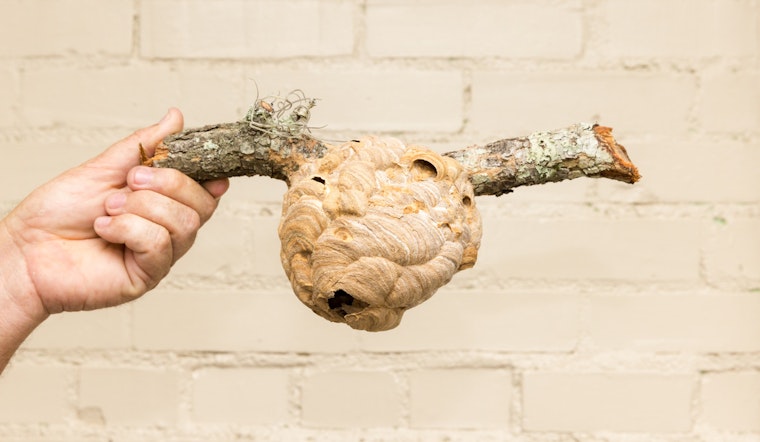
The Georgia Department of Agriculture is ramping up its fight against a tiny yet formidable foe — the invasive Yellow-legged Hornet, also known as the Asian predatory hornet. Already spotted in Savannah since a confirmed sighting in August 2023, these hornets pose a serious risk to local pollinators crucial to the state's number one industry: agriculture. With the arrival of warmer temperatures, the department is on high alert and is seeking the public's help in tracking down these unwelcome guests.
As the Yellow-legged Hornets emerge from overwintering, they begin the process of forming embryo nests, which marks the start of potential new colonies. Georgia Agriculture Commissioner Tyler J Harper emphasizes the importance of early intervention, stating, "By reporting sightings of embryo nests early, we can stop the queens from spreading and minimize the damage they cause," as reported by Georgia Department of Agriculture.
According to FOX 5 Atlanta, residents are urged to keep an eye out for these initial nests, smaller than the larger, more established ones, that can crop up in places like eaves or sheltered spots.
The department advises anyone who sights a Yellow-legged Hornet or its nests to avoid dealing with them directly. Untrained individuals attempting to handle these situations could lead to the queen merely relocating and continuing the cycle of nest-building. In a statement obtained by Georgia Department of Agriculture, citizens who spot the hornets or their nests should reach out to the Plant Protection Division or contact a licensed pest management professional to ensure the problem is handled safely and effectively.
Residents can report suspected Yellow-legged Hornet sightings or embryo nests to the Plant Protection team through email at [email protected]. For more detailed information on identifying and reporting these hornets, individuals are encouraged to visit the department's dedicated hornet webpage. It's crucial for everyone to stay alert during this critical period, between March and April, as this is when the queen hornets first start building their nests and the easiest time to nip the potential infestation in the bud.





