

























































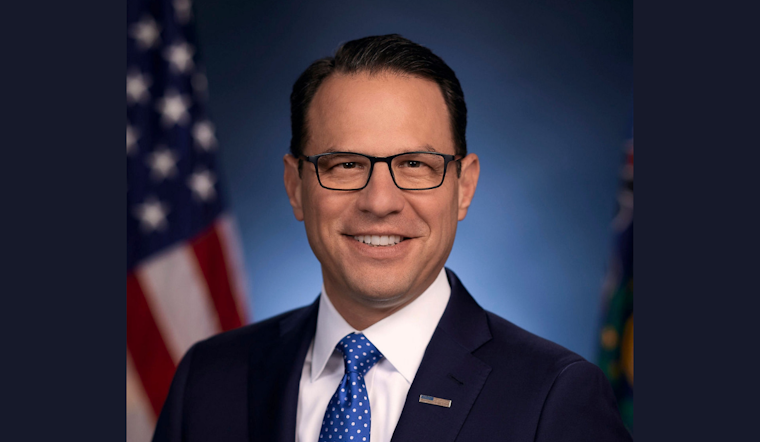
At the bustling Port of Philadelphia, Governor Josh Shapiro recently met with those at the sharp end of the latest federal tariffs, including port leaders, businesses, and the workers keeping the gears of commerce turning. In a scenario where new tariffs are throwing economies into unpredictable turmoil, Governor Shapiro heard first-hand accounts detailing the tumult, all while prices for everyday items in Pennsylvania appear set to climb. According to the Pennsylvania Government website, these tariffs, unprecedented in a century, are disrupting supply chains, elevating the cost of goods from the basic to the luxurious.
Within the heart of this economic storm lies PhilaPort, Pennsylvania’s busiest port and the nation’s largest for imported fruit and a strategic entry point for numerous other goods. Last year, imports valued at $3.2 billion passed through its gates, bolstering jobs locally – a significant 12,000 – and supporting a wider sphere of 66,000 maritime jobs across the state. Yet, amid the clatter of cargo and machinery, the port's critical role as a conduit for 20 percent of America's food imports, alongside cars, meat, cocoa, and steel, now faces a headwind from these federal tariffs, as Governor Shapiro witnessed firsthand.
Advancing beyond the dockyards, the trickle-down of tariff-induced cost increases threatens to swell into a tide that could soak consumers and businesses alike. "Tariffs are taxes - and they're going to make everything from fresh fruit to chocolate to auto parts more expensive for Pennsylvanians," Governor Shapiro told attendees, per Pennsylvania Government website. In response to Washington's stance, which has seemingly inflated prices and tightened the competitive noose on local businesses, the Governor underlined his administration's commitment to economic growth and strategic investments as a countermeasure, signaling a state that remains "open for business."





