

























































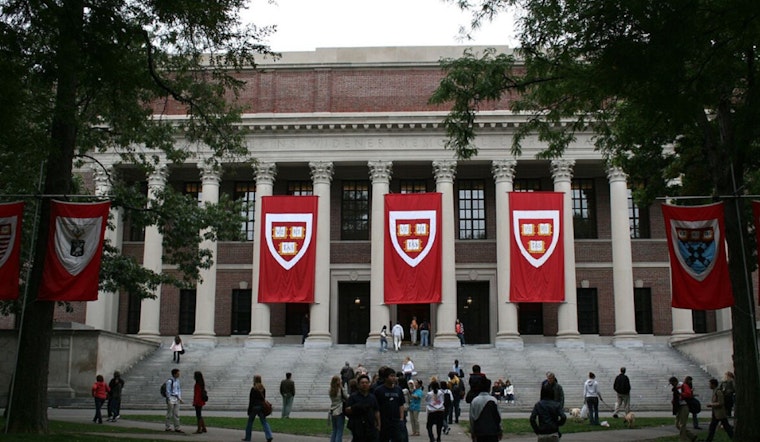
Harvard University has launched a lawsuit against the Trump administration over a funding freeze totaling $3.2 billion, escalating a conflict that has stuck an academic institution in the crosshairs of federal regulatory overreach. In a legal move that pits tradition of educational autonomy against executive mandate, the Ivy League powerhouse is challenging the administration's conditions that Harvard claims would impinge upon its constitutional rights.
The Trump administration's grip tightened with an additional $1 billion in grant suspensions following an initial freeze of $2.2 billion, as mentioned in a letter by Harvard President Alan Garber to his community. This financial tug-of-war stands against a backdrop where federal funding is instrumental to Harvard's expansive research portfolio, which includes significant scientific and medical advancements. In an article from CBS MoneyWatch, Garber highlights the dire consequences these actions hold for "patients, students, faculty, staff, researchers and the standing of American higher education in the world."
The lawsuit frames the funding freeze as retaliatory, alleging Trump administration seeks to coerce Harvard into overhauling its policies and leadership. Tied up in this, are demands for viewpoint diversity audits among the student and faculty populations, and threats to the school's tax-exempt status. Trump officials have taken a blunt stance, with a statement to CBS MoneyWatch slamming Harvard for supposed misallocation of taxpayer funds that benefit "grossly overpaid bureaucrats."
The complaint also accuses the government of skipping necessary procedural steps mandated by Title VI of the Civil Rights Act before cutting such significant funding. In the legal document referenced by The Crimson, Harvard's lawyers argue that the freeze is "imposing viewpoint-based conditions on Harvard's funding," and that "violate Harvard's constitutional rights." Furthermore, the lawsuit goes on to allege that recent demands under the guise of combating campus antisemitism are pretextual and infringing upon university autonomy.
Representing Harvard in this legal battle are attorneys with close ties to the Trump camp, Robert K. Hur and William A. Burck, both highlighting the complexity of interests woven within the legal fabric of this dispute. The involvement of various departments in the funding cessation suggests a coordinated effort to bring a premier institution to heel under government-dictated terms. This battle is not Harvard's first rodeo in taking on the Trump administration; they previously challenged visa restrictions on international students during the pandemic.





