

























































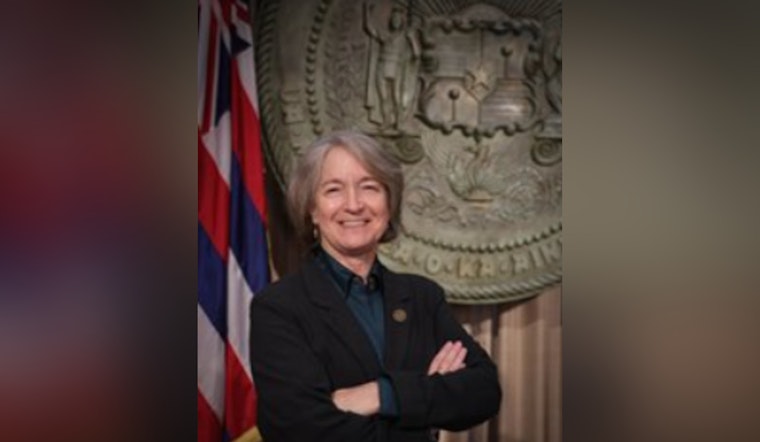
Hawai‘i is taking a firm stand against what it deems an overreach of executive power, as Attorney General Anne Lopez aligns with other states in a lawsuit challenging President Donald J. Trump's latest executive order, which mandates restrictive changes to the voting process. The lawsuit, joined by a total of 19 states, contests Executive Order No. 14248 with claims that the order is an unconstitutional encroachment on states' rights to regulate elections, as reported by Hawai‘i's official government website.
This legal action, filed in the U.S. District Court for the District of Massachusetts, challenges several aspects of the Elections Executive Order including, but not limited to, requirements for documentary proof of citizenship to register to vote using the Federal Form, assessing citizenship prior to providing voter registration at public assistance programs, and altering established state laws on ballot counting, specifically regarding absentee or mail-in ballots received after Election Day, something that was never intended by Congress nor aligns with states' purview over their own elections.
One particularly contentious requirement is the imposition on military and overseas voters to present documentary proof of citizenship and eligibility to vote in state elections—an apparent shift from federal laws that have long supported the voting rights of these demographics "in the last place in which the person was domiciled before leaving the United States," as stated in the lawsuit details from the coalition. Furthermore, the order's threat to cut federal funding to states that do not comply was seen as an attempt at executive domination and coercive federalism, directly contradicting the constitutionally defined separation of powers.
Speaking against the implications of this directive, Attorney General Anne Lopez said, "The Elections Executive Order intrudes on Congress’ and the states’ power over elections," this administration's tactics seen as an unlawful effort to take control over something so very critical as the democratic process and the very act of voting, a foundation of America's representative system. The Special Assistant to the Attorney General, Dave Day and Solicitor General Kalikoʻonālani Fernandes are representing Hawaiʻi in this litigation, which was primarily led by Attorney Generals Rob Bonta of California and Aaron Ford of Nevada.
Hawaiʻi's involvement in this collective legal challenge emphasizes the widespread concern among states over the ramifications of this executive order, as jurisdictions across the country reinforce their commitment to protect the accessibility and integrity of their voting processes. This movement spans from the sun-kissed shores of California to the historic streets of Massachusetts including a diverse coalition of states such as Arizona, Colorado, Connecticut, Delaware, Illinois, Maine, Maryland, Michigan, Minnesota, Nevada, New Jersey, New Mexico, New York, Rhode Island, Vermont, and Wisconsin, all deemed critical to ensuring that the American electoral system remains a reflection of its citizens' will, unintimidated by federal overreach.





