

























































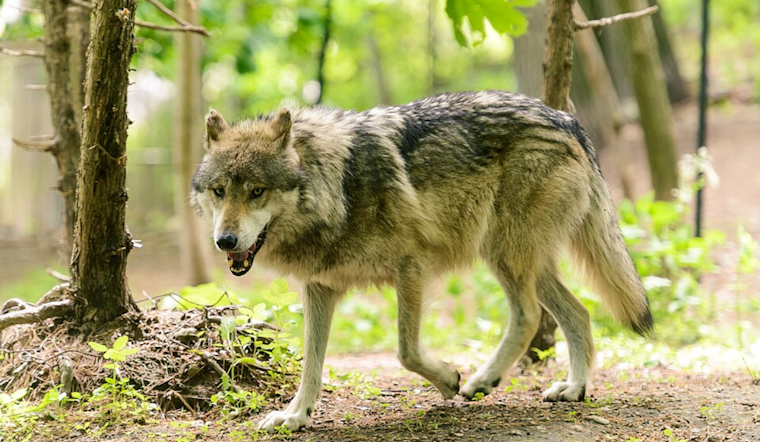
Wildlife officials in Colorado are currently dealing with the death of a notable member of the state's gray wolf population. The wolf, known as 2514-BC, was found dead in Rocky Mountain National Park on Sunday, as per Colorado Parks and Wildlife (CPW). As wolves are a federally protected species under the Endangered Species Act, the U.S. Fish and Wildlife Service has stepped in to investigate the cause of her death. A full necropsy is part of the comprehensive investigatory process, though no conclusive details have been made public at this point.
Wolf 2514-BC's death has reverberated through the conservation community, as she was one of the individuals translocated to Colorado from British Columbia as part of a reintroduction effort. Given that these apex predators are very much essential to the ecological balance, such incidents arouse attention and contemplation. The CPW has mentioned that while some may too quickly assume foul play, it's important to remember that mortality "is a factor that plays a role in all natural populations." The facts surrounding her death remain to be seen until the official investigation comes to a full conclusion.
The reintroduction of wolves to Colorado has not been a smooth or uncontested process. The move has divided public opinion, with vigorous debate from ranchers, conservationists, and residents. Though 2514-BC's death is a setback, CPW officials emphasize that the overall survival rates of wolves in the region are "within normal margins." These animals generally have an average lifespan of 3-4 years in the wild of the Rocky Mountains, and the management plans accommodate the inevitable reality that mortality will occur.
Colorado's Wolf Restoration and Management Plan was developed to guide the state's approach to bringing back and sustaining a healthy wolf population. The plan, which is public and can be accessed through the CPW website, outlines the procedures and expectations for such scenarios as that involving 2514-BC. While her death is considered a part of the natural ebb and flow of wildlife management, it does serve to highlight the precarious foothold of gray wolves in the region. Only through the completion of rigorous investigations can officials fully understand and publicly share the details surrounding these natural occurrences.




.jpg)