

























































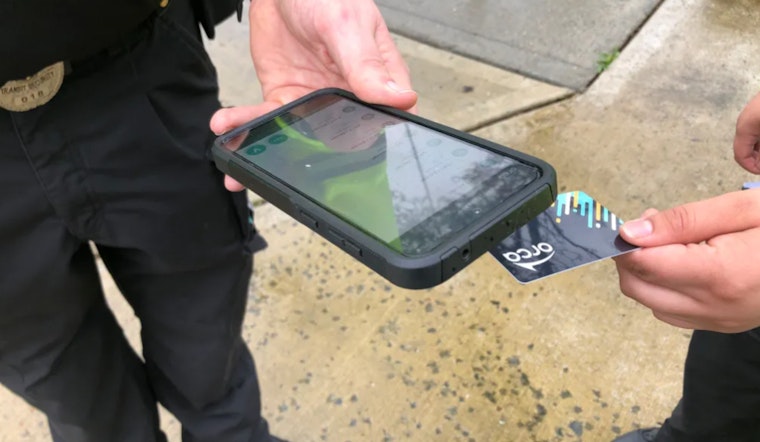
King County Metro is set to enforce fare payments again starting from yesterday, bringing back the practice after a three-year hiatus during which the system was assessed for equity and security improvements; this change will initially focus on RapidRide and other high-ridership routes, as well as the Seattle Streetcar, according to the King County Metro blog.
Rebecca Frankhouser, Metro’s Chief Safety Officer, addressed the fiscal underpinning of this policy shift by noting, "Metro relies on fares to provide safe, clean and reliable transit service, however we estimate that one-third or more of our riders are not paying their fare," she conveyed the expectation that fare enforcement will encourage riders to return to consistent fare payments, and with this enforcement, 30 Fare Enforcement Officers will ensure compliance among the more than 300,000 weekday riders that depend on the system, a significant measure considering the $73 million in revenue fares represented in 2024 as reported by King County Metro.
Fare payment can be validated through a few means, including a tapped ORCA fare card, an activated Transit GO Ticket on a rider's smartphone, ORCA card integration in Google Wallet, or a physical transfer slip from a cash paid fare; however, riders who do not present a valid proof of payment will receive a verbal reminder during the first month and subsequently, starting May 31, they could incur fines or alternative resolutions for repeated infractions, this approach is designed to both encourage fare payments and to offer alternative solutions for those unable to afford penalties, such solutions range from a reduced fine option to performing community service or enrolling in reduced fare programs as detailed by the transit agency.
The fare enforcement initiative is part of a broader "Safety, Security and Fare Enforcement (SaFE) Reform Initiative" which involved community input to redesign the process to make it more equitable and welcoming, by lowering fines and late payment penalties and adjusting minimum reload amounts on fare cards for those availing of alternative resolutions, these changes stem from extensive engagements with riders and community members who provided feedback that guided Metro's policy shift King County Metro states.
Ensuring access for all, Metro continues to support reduced and free fare options, including the ORCA LIFT card for low-income riders, the Regional Reduced Fare Permit for seniors and riders with disabilities, and the Subsidized Annual Pass for those enrolled in certain government programs, alongside the free ORCA Youth card for travelers 18 and under, showing a deliberate stride to safeguard the human right to move freely, a tenet critical in the conversation surrounding transportation in our time according to the King County Metro announcement.


