

























































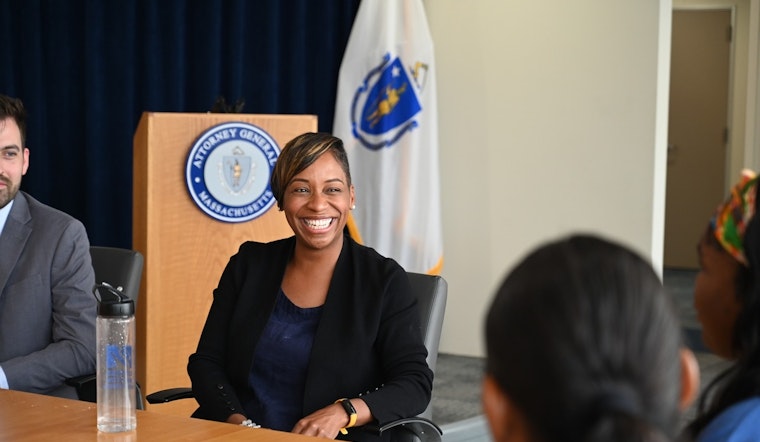
In a move to safeguard education funding for the most vulnerable students affected by the COVID-19 pandemic, Massachusetts Attorney General Andrea Joy Campbell is stepping up to the legal plate. She's joined arms with the attorneys general from 15 states and the Governor of Pennsylvania to sue the Trump Administration, which has blocked access to hundreds of millions of dollars earmarked for education programs. These funds, originating from the American Rescue Plan Act (ARPA), were meant to see schools through until March 2026 – a lifeline for low-income and unhoused students needing additional support.
This coalition of states, which spans from the deserts of Arizona to the coastal breezes of California, accused the Department of Education of abruptly closing the faucet on these precious funds, thus creating, a serious budget shortfall for state education departments and local districts. "I will continue fighting to protect Massachusetts residents, especially our teachers and young people who would be harmed by the Administration’s reckless policies," AG Campbell told mass.gov.
Forming the backbone of the dispute is the Department’s decision to renege on its previous commitment to these funds without providing a sound explanation, a move the suit claims violates the Administrative Procedure Act. The funding at stake included grants aimed at supporting Homeless Children and Youth (HCY), the Elementary and Secondary School Emergency Relief (ESSER), and the Emergency Assistance to Nonpublic Schools (EANS) programs, all essential in the post-pandemic reconstruction of educational services.
The lawsuit emphasizes the importance of the HCY funds, which, in Massachusetts alone, have been critical in providing unhoused youth with not just textbooks, but basic needs such as food and personal care items. The abrupt termination of this funding will not only leave educators scrambling but will also cut off vital services for students at a time when they arguably need them most.
AG Campbell and her colleagues are seeking a court order that would stop the Department from switching positions on a dime and allow the states to resume accessing the funds originally promised. The group includes heavy hitters like the attorneys general of New York, New Jersey, and Illinois, to name a few. Collectively, they argue that the sudden policy reversal flies in the face of Congressional intent and leaves them hamstrung in their efforts to provide quality education and essential public services.





