

























































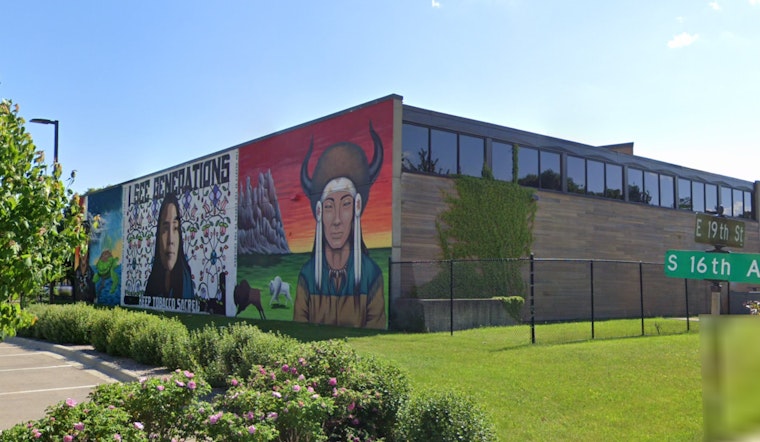
The Minnesota Department of Public Safety is rolling out the welcome mat for locals to learn more about a resource that's been aiding victims of violent crime for generations. On a normal Tuesday, one might pursue their lunch hour with a sandwich in hand, but on this particular Tuesday, from 11 a.m. to 1 p.m., the Minneapolis American Indian Center will transform into a hub of support and information during a resource fair hosted by the Office of Justice Programs (OJP).
Amidst the buzz of community gathering, there lies an opportunity to unearth details about the Minnesota Crime Victim Reimbursement Program, a longstanding initiative that offsets the financial injuries inflicted by violent crime. According to a recent social media post by the Minnesota Department of Public Safety, the program has been "available for over 50 years" and was initiated by the Minnesota Legislature back in 1974. It’s a lifeline for those who've encountered the jagged edge of crime, helping to soothe the financial losses and aid in their recovery from such traumatic events.
The resource fair intends not just to spread the word but also to build bridges between the OJP and the populace it serves. Navigating the maze of compensation and support services can seem daunting, and events like this aim to demystify the process, making it more accessible to the individuals who need it most. The gathering will be an embodiment of the collective effort to bolster the resolve of a community plagued by violence, rallying around those whose lives have been disrupted by it.
In a society where the wounds of transgression are often cloaked in silence, programs such as the Minnesota Crime Victim Reimbursement Program extend a hand, offering more than just monetary reparation. They represent a statement of solidarity, a declaration that survivors do not walk the path of healing alone. As a testament to its significance, the program holds the distinction of being among the first of its kind—supporting victims long before such resources became a common consideration in public policy. Those curious about the program or seeking assistance would find the upcoming resource fair a valuable starting point on their quest for restitution and recovery.





