

























































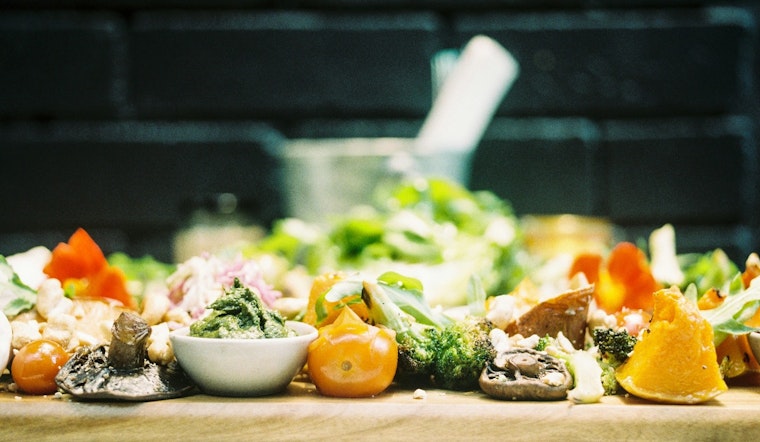
Minneapolis residents, it's that time of the year again – the City is observing National Food Waste Prevention Week, aiming to shed light on a staggering reality: a considerable chunk of the U.S. food supply doesn't make it onto our plates. According to a recent release from the City of Minneapolis, about 40 percent of the food in the U.S. is left uneaten, leading not just to economic loss but also environmental stress. A profound thought to digest: each year, Minneapolis alone discards close to 128,000 tons of food.
So what can be done to combat this issue that seems to loom as large as the portions we leave untouched? "Buy what you’ll eat. Eat what you buy. Don’t throw your money away," advised Alison Babb, Minneapolis Health Department Homegrown manager, as reported by the City's announcement. The emphasis during this highlighted week is on practical advice – plan meals, buy only what you will consume, prioritize foods in your fridge, learn proper storage methods, and embrace the underrated art of leftovers.
The call to action doesn't stop at individual fridges, as the City champions an environmental cause: composting. Whether scraps from the kitchen or unfinished takeout, composting is positioned as a vital link in the sustainability chain, turning would-be waste into useful material and diverting it from the landfills. Minneapolis has even made it easier for residents to chip in, offering free curbside compost service, a detail aimed to inspire participation across the city.
The economic ripple effect can’t be ignored – the average family of four squanders over $2,500 a year on uneaten food, and in the restaurant scene, 70% of food waste comes from customers. It's not a stretch to suggest that better meal planning and food management could help put a dent in these numbers. Also of note is that the amount of wasted food in the U.S. accounts for more greenhouse gas emissions than the combined vehicles in states like California, Texas, Florida, and New York. And while the City is pushing for an 80% recycle and compost rate by 2030 as part of the Minneapolis Climate Equity Plan, there is much ground to cover – and quickly.
For Minneapolis restaurants, which create a staggering 35,000 tons of food waste annually, there are also paths forward. The City's resources suggest that donating surplus edibles to food shelves not only helps those who are food insecure, but it also offers businesses a chance to benefit from tax breaks. In a city where 18% of people struggle to access enough affordable food, every plate counts. It just goes to show that, whether it's through improving kitchen efficiency, donating, or composting, small changes can bring about significant benefits, both locally and beyond.
Need more tips or want to stay updated? Just follow the updates from the Minneapolis Health Department throughout the Food Waste Prevention Week. Those restaurant leftovers? They might just be tomorrow's lunch if given the chance.




