

























































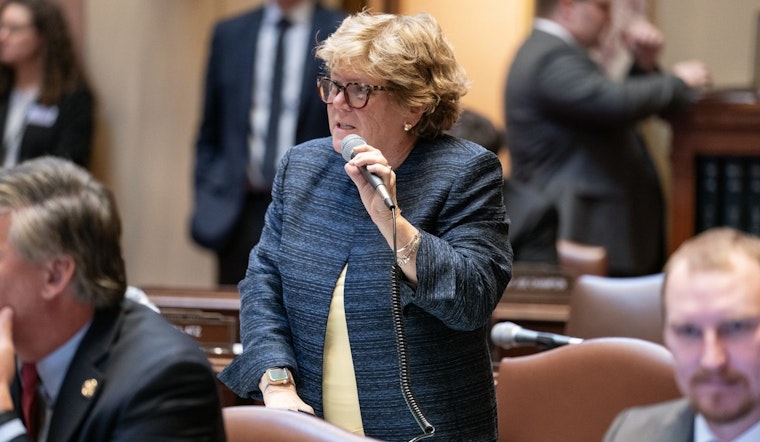
In the wake of a contentious debate, Senator Ann Johnson Stewart cast a decisive vote on Senate Resolution 15, which squarely denounced the recent pardoning spree endorsed by President Trump for those involved in the January 6 insurrection. This development comes amidst a broader conversation on the limits of presidential pardon power, especially in the face of what U.S. Attorney Matthew Graves described as the largest single-day mass assault on law enforcement in the nation's history. According to a statement by Senator Johnson Stewart, the resolution took aim at the pardon of 1500 individuals tied to the violent siege that led to the death of five law enforcement officers and left over 140 others injured.
Senator Johnson Stewart did not mince words regarding her stance, declaring, "These pardons are a betrayal of our law enforcement community and insult to our Constitution.” The resolution, which passed with the full support of 34 DFL members, fostered a rift within the Republican contingent, where 22 cast ‘No’ votes and an additional 10 chose not to vote, appearing to signal a divided front on what has proven to be an incendiary topic. The passed resolution intends to communicate these strong sentiments directly to President Trump, as well as the United States Senate and House.
The Minnesota Senate's formal condemnation carries significant symbolic weight, indicating both the legislature's commitment to prescribed constitutional norms and an underlying discomfort with the notion that acts of violent insurrection might be excused at the highest echelons of power. Senator Johnson Stewart emphasized the resolution's importance, affirming her constitutional oath and the necessity to rebuke what she considered to be treasonous behavior by saying, "Condemning treasonous acts was an easy vote today."
The passage of Senate Resolution 15 not only reflects a collective unease regarding the former President's actions but also underscores an ongoing struggle at the heart of U.S. democracy: the clash between sovereign clemency and the imperative of accountability. A copy of the resolution, as reported, will be transmitted to the relevant parties — a gesture reinforcing both the seriousness with which this matter is treated and the continued resolve to uphold democratic values in the shadow of an unsettling historical episode.





