

























































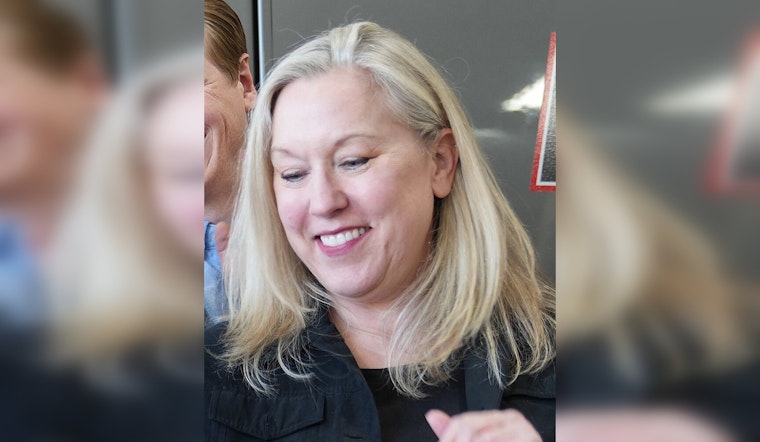
In a move addressing the silent struggle within the construction industry, Minnesota Senator Judy Seeberger has introduced a bill aiming to shore up mental health support for construction workers. This legislation, Senate File 2744, proposes a $1 million fund to be allocated to Minnesota's Department of Labor and Industry for mental health initiatives. It's a response to concerning data from the Centers for Disease Control and Prevention, which highlights that construction workers face higher instances of mental health issues compared to the general population.
The bill was scrutinized during a hearing by the Senate Labor Committee. Backed by statistics that paint a grim picture of the mental health landscape for construction workers, including a suicide rate more than three times that of the general population, it seeks to lay the groundwork for more comprehensive support systems in an industry often overshadowed by physical demands. Senator Seeberger emphasized the importance of addressing these pressing matters. "It’s crucial that we not only improve physical workplace safety for hardworking Minnesotans, but also promote mental health resources for these folks," she said in a statement obtained by the Senate DFL.
Mental health in the workplace has become a pivotal concern across various sectors, yet construction has often been neglected in this domain. By endorsing such legislation, the state would acknowledge the unique pressures faced by construction workers, ranging from erratic scheduling to the strenuous nature of their work. With Senate File 2744, the goal is not only to equip workers with resources but also to cultivate an environment where mental health is destigmatized.
The reception of this bill marks a potential shift in legislative attention towards mental well-being in the workplace. As the conversation around mental health continues to evolve, initiatives like Senate File 2744 offer a glimpse of a changing tide, cognizant of the intersection between one's well-being and their labor. "In an industry where scheduling and workload often vary, it’s essential that these workers have supportive workplace cultures where mental health is not stigmatized," Senator Seeberger underscored. The bill was laid over for possible inclusion in a Labor Committee omnibus bill, signaling a growing awareness and a possible commitment to change.




_(cropped).jpg)