

























































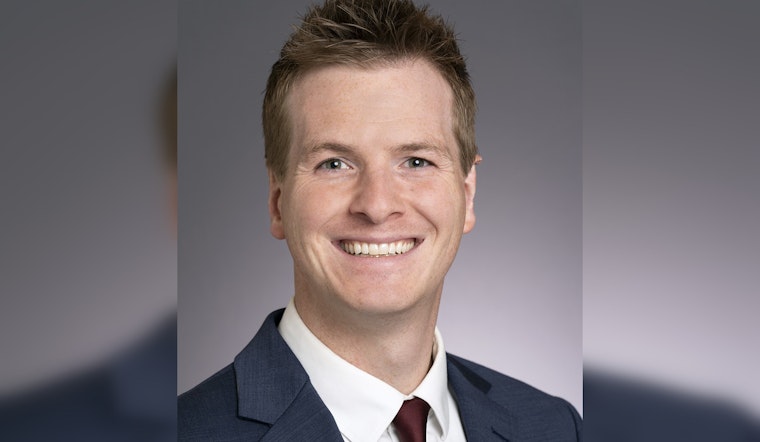
Minnesota Senator Grant Hauschild is advocating for financial relief for rural emergency services amid growing budget constraints. Representing Hermantown, Hauschild introduced a bill that would exempt certain rural ambulance services from the Minnesota Health Care Provider Tax. If passed, the legislation aims to ease financial burdens on small-town emergency responders, ensuring continued access to critical care in remote areas.
Crafted with the input of locals, the bill draws direct inspiration from Randy Strohmeyer, Executive Director of Lake County Ambulance Service, who witnessed firsthand the struggles of managing such an operation. "Our rural emergency medical services are facing unique challenges, but they’re also doing their part to help policy makers in St. Paul come up with solutions," Hauschild articulated during a Senate Taxes Committee hearing, as reported by the Senate DFL page. The proposal specifically targets ambulance services stationed outside major Minnesota cities and those with gross revenues up to or less than $10 million.
Testifying in support of the bill, Strohmeyer emphasized the significance of such savings for entities like his, "We can reinvest this money through the lifesaving care that we’re providing like in medications, equipment, and our personnel," he remarked during the hearing. The intended tax relief stands as a testament to the cooperative spirit shared between the state officials and frontline medical providers, aiming to give a fiscal leg up to small services that often act as lifelines for their communities.
If passed, the bill—SF 2765—could impact approximately 34 ambulance providers that meet the specified criteria. For these small but essential rural healthcare services, the tax exemption could mean the difference between operating on strained resources and making necessary investments in patient care.
Proponents, including Randy Strohmeyer, emphasize the measure’s importance. "We’re trying to partner with the state, and we’re just asking for a little bit of help so we can provide this service to our communities," Strohmeyer told the committee, highlighting the broader impact from the statehouse to the ambulance bay





