

























































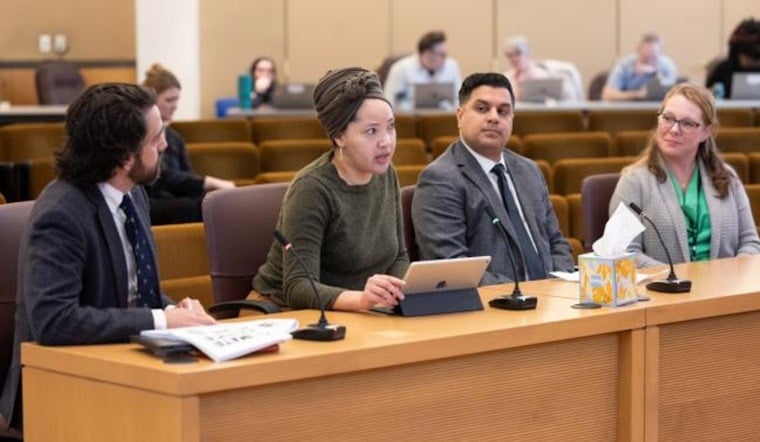
Multnomah County has presented its draft Climate Justice Plan (CJP) for public review, aiming to construct a roadmap for combating climate-related issues through a justice-focused lens. The plan, which is open for commentary until May 11, sets forth strategies to confront intensified disasters such as heat waves, wildfires, and extreme weather—all exacerbated by fossil fuels, as per a report by Multnomah County news.
Developed in partnership with various community organizations, the CJP embodies an innovative approach to climate policy. Its creation involved extensive collaboration between Multnomah County's Office of Sustainability, Health Department, and representatives from communities bearing the brunt of climate change's fallout. John Wasiutynski, director of the Office of Sustainability, eloquently stressed the urgency of the moment: "Every planetary signal is flashing red. The hottest 10 years on record have been the past 10 years,” he told Multnomah County news.
The public comment period will feature avenues for residents to communicate their opinions—including an online survey and a forum. Amidst this collaborative atmosphere, Kirsten Aird, Public Health Director, delineated the alarming health impacts already unfolding: 2024 marked the fourth consecutive year with heat-related deaths in the county, and local epidemiologists have established a connection between rising temperatures and an increase in pre-term births, particularly affecting Black women, according to Multnomah County news.
Further shedding light on the proposed solutions, Taren Evans, Environmental Justice Director at the Coalition for Communities of Color, expounded on the aspirational nature of the initiative. “Climate justice is not just about surviving climate change it's about building a future where people are not only surviving but living well where they're grounded in safety and opportunity,’’ Evans told Multnomah County news.
Xitlali Torres of Verde, Samantha Hernandez of Oregon Physicians for Social Responsibility, and other steering committee members have underlined the need for resilience and justice in these endeavors. They advocate for a responsive plan that mitigates the inequities laid bare by the planet's warming and fuels proactive steps toward a livable future for all segments of society. These testimonies, like that of Community Energy Project's Siraat Younas, emphasize the critical role of engaging those most vulnerable to shape a policy that is not only effective but also equitable.
With a summer 2025 deadline for final approval by the Board of County Commissioners looming, the CJP appears positioned to spur significant environmental and social developments locally. The plan is the culmination of contributions from an array of advocacy groups, including APANO, Portland NAACP Environmental and Climate Justice Committee, Rahab's Sisters, and more, a coalition embodying the diverse fabric of the county and those most imperiled by our shifting climate.




