

























































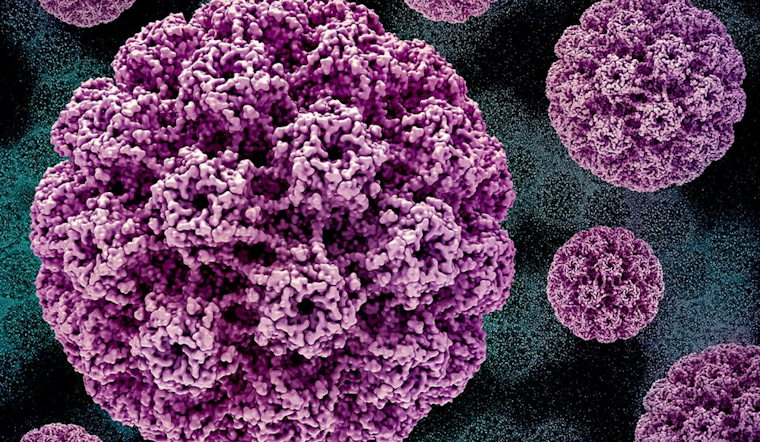
Indianapolis was recently home to the first-ever national conference focusing on human papillomavirus (HPV), uniting a diverse array of medical professionals and thought leaders to discuss the latest advancements in the fight against certain types of cancer. Dr. Leeya Pinder, of the University of Cincinnati Cancer Center and an associate professor at the UC College of Medicine, told Contemporary OB/GYN that this inaugural gathering served as an essential melting pot for the exchange of data, clinical progress, and measures of prevention related to cancers tied to HPV.
Amid the numerous topics addressed, one notably clear signal projected from this convocation was the potential game-changin potential of self-collected HPV testing, an innovation which could revolutionize the early detection of HPV—a virus famously known for its role in causing cervical, oropharyngeal, and anal cancers. Industries and survivors alike were buzzing about the prospects of individuals taking hold of their testing.
The SHIP trial (Self-collection for HPV testing to Improve Cervical Cancer Prevention), spearheaded by Pinder, attempts to validate the accuracy and efficiency of patient-collected samples against those collected in clinical settings. Dr. Pinder emphasized to Contemporary OB/GYN the simplicity and accessibility that comes with self-testing, stating, "It really gives people the opportunity to just do a vaginal swab or a cervico-vaginal swab so that they can get tested for high-risk HPV, which is usually the driver of cervical precancer and cervical cancer."
Pinder's pioneering investigation into self-testing endeavors to establish a more autonomous approach to HPV screening thus potentially catapulting HPV prevention strategies into a new orbit where women no longer rely solely on the machinery of healthcare bureaucracy to monitor their wellbeing and sure it sounds like a small step but one that holds immense implications for the landscape of cancer prevention.



.jpg)