

























































The economic landscape of New York City is undergoing significant changes as small business owners and consumers alike are bracing for the impact of President Donald Trump's continuation of the trade war. Notably, small businesses, which form the backbone of NYC's economy, are voicing grave concerns about their sustainability, with tariffs contributing to a looming atmosphere of economic uncertainty. These concerns have been exacerbated by the onset of tariffs that came into effect as of today, according to a report by Gothamist.
In an environment where cost pressures are mounting, shop owners such as Freeman Wong, who co-owns Aqua Best Seafood, are exposed to immediate price swings due to the nature of their products, which cannot be stockpiled. "Back in March when the 25% Canada/Mexico tariff was in effect for two days, we paid that tariff," Freeman told Gothamist. "Two days later it went away – and now we’re sitting on two days’ worth of higher-price items."
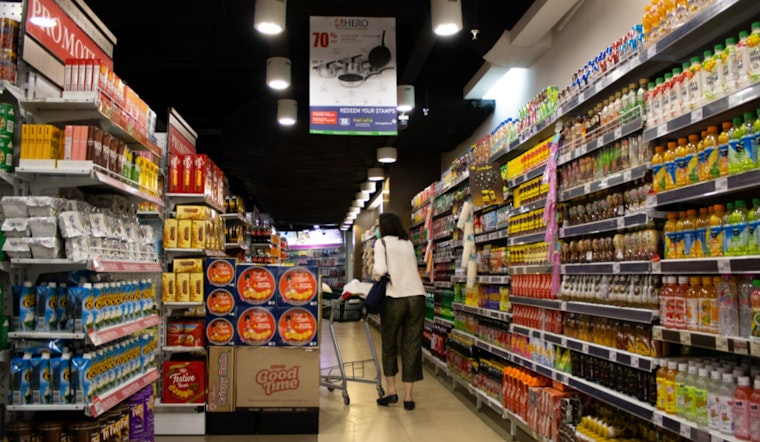
Not only small businesses feel the heat; local consumers are also expressing their anxieties, anticipating an uptick in pricing across various sectors. From electronics to apparel, the realization that tariffs might seriously disrupt household budgets is dawning on the populace. Shoppers at locations like Costco are starting to voice their concerns, as reported by ABC7NY, indicating a collective nervousness about having to navigate a potentially more expensive market landscape.
Kelly Wang, owner of the sustainable fashion boutique Rue Saint Paul, may have to consider abandoning her best-selling "Janus pant" due to a staggering 104% tariff on goods manufactured in China. "People just can’t get enough of them, all seasons," Wang lamented in a statement obtained by Gothamist. But these essential items for her shop's success now hang in the balance as the tariffs loom over her next ordering cycle.
As business owners attempt to strategically navigate new cost structures, they risk having to implement potentially damaging choices for their enterprises. Caroline Weaver, who cataloged over 14,000 independently owned stores, starkly noted before the tariff announcements that 22% of shop owners who responded to her survey anticipated closing within the next two years. This sentiment echoes a wider fear that independent retailers could be decimated long-term by these financial pressures, as much as they try to cut margins to remain affordable, Weaver shared with Gothamist.




