

























































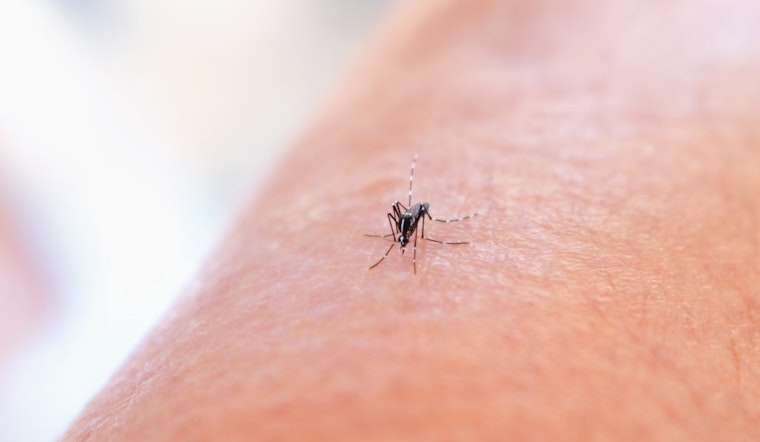
Tick and mosquito season is creeping up on us here in North Carolina, and with it comes the call to arms—or rather, sleeves—from the North Carolina Department of Health and Human Services. With over 900 cases of vector-borne diseases reported statewide last year, NCDHHS is amplifying its "Fight the Bite" campaign to educate and protect residents against these pesky and potentially dangerous critters.
April has been christened as Tick and Mosquito Awareness Month, serving as a springboard to actively encourage individuals to adopt protective habits. According to NCDHHS, students across K-12 grades are contributing to the cause, invited to submit posters for an educational campaign contest. The aim is to significantly broaden awareness, with the winning artwork to be announced and featured at the end of April on the campaign's webpage.
Public Health Veterinarian Emily Herring emphasized the rise in vector-borne diseases in the state, reiterating the necessity for defensive measures. "We encourage all North Carolinians to protect themselves from tick and mosquito bites by wearing long sleeves and pants, using EPA-approved repellents, and checking for ticks after spending time outdoors," Herring told NCDHHS. With diseases like Lyme, which alone accounted for a third of all tick-borne diseases reported last year, prompt treatment upon symptoms after a tick bite is crucial.
Prevention is paramount, and reducing tick habitats around your residence can drastically decrease the possibility of exposure. To fully ensure defense, residents can utilize EPA-approved repellents and be diligent about removing ticks speedily after visiting high-risk areas. Equally, for mosquitoes, keep standing water at bay to curb breeding and enforce barriers like window screens to shield indoors. With North Carolina ranking high in mosquito-borne diseases, these steps are key to keep the bugs at bay and the public safe.



