

























































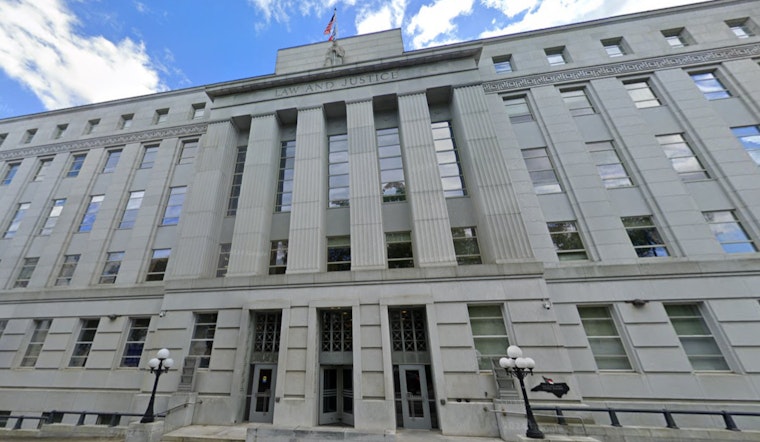
In a recent turn of events, the North Carolina Supreme Court has issued a significant order affecting the outcome of the state supreme court candidate Jefferson Griffin's election protest. As reported yesterday, the court has reversed a previous decision by the North Carolina Court of Appeals regarding voters with "incomplete" registrations, according to a statement provided by the North Carolina State Board of Elections.
This latest order formally changes the status quo for these voters, ensuring that their votes will no longer be necessarily excluded from the count in the 2024 general election Supreme Court contest. However, the order also outlined new steps for two other voter groups to follow in order to have their votes counted. Specifically, military and overseas citizens are now required to swiftly submit photo identification or an affidavit known as a Photo ID Exception Form. The Supreme Court has graciously extended the deadline for these voters, allowing them an extra 30 days to comply once notified by their county board of elections.
Another subset of voters, those with ties to North Carolina through their parents but have never lived in the United States, face a harsher reality. The Supreme Court's latest decision mandates that votes cast by these individuals must be excised from the Supreme Court race. The rationale behind this remains a matter of legal interpretation and is connected deeply to the nuanced landscape of election law that governs such matters.
While the State Board of Elections acknowledges the impact of this decision, they also recognize that the situation may still evolve, potentially spilling into federal courts for further resolution. The staff is actively working to to fully understand how these recent rulings will unfold in practice, and at the right time, they aim to provide clear instructions to both county boards of elections and the voters who are affected by the changes. Notably, this protest does not affect these voters' selections for any other contest on the ballot, a crucial detail that emphasizes the specificity of the protest's scope.
As the political landscape continues to evolve, one thing remains clear: every vote counts, and the mechanisms of ensuring that each is considered rightfully are complex and constantly under scrutiny.




