

























































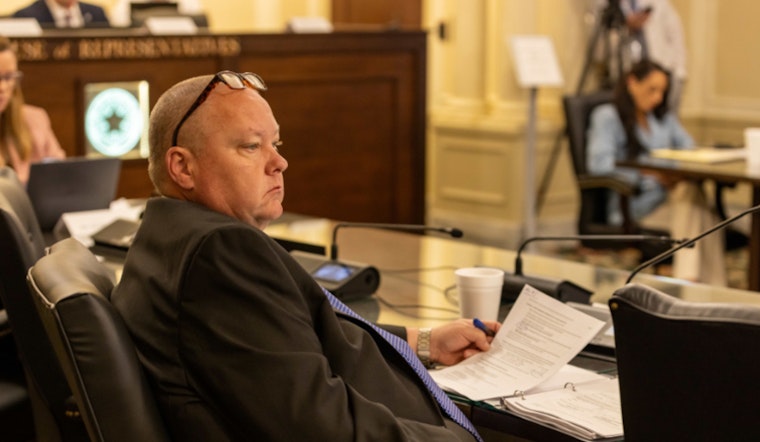
Oklahoma is set to streamline the sale of its state-owned railroad assets following a significant legislative move. According to a report on the House of Representatives' website, Senate Bill 341, designed to simplify the process, passed the Oklahoma House of Representatives with a sizable majority. The bill, approved by an 81–8 vote, directs the Oklahoma Department of Transportation (ODOT) to establish a request for proposals framework for the disposition of these assets, allowing interested parties a 120-day window to respond.
Rep. Dell Kerbs, R-Shawnee, who carried the legislation, highlighted the measure's aims saying, “This bill reflects our responsibility to manage state resources wisely and transparently," and noted it as a means to foster local development and private-sector innovation, while ensuring accountability and he believes that by detailing a fair and open procedure for divesting surplus rail properties, they're not just safeguarding taxpayer interests but also creating avenues for regional growth, this was shared on the House's webpage. Under SB 341's provisions, ODOT is obliged to thoroughly vet all proposals and, if deemed necessary, to conduct further economic impact studies with the ODOT director then presenting a recommendation to the Transportation Commission within a subsequent 90-day period.
The legislation also makes it explicit that any acquisitions arising from lease-purchase agreements mandate the Transportation Commission's endorsement. Sen. Avery Frix, R-Muskogee, co-author of SB 341, alongside Rep. Kerbs, emphasized the bill's potential to enhance economic development and reinforce the state’s railroads, Frix expressed optimism for the change this signals for the state's rail infrastructure in a statement obtained by the House, and declaring, “With the Legislature’s approval of Senate Bill 341, we’re opening doors for economic development and growth by making it easier to transfer underutilized state-owned railroads to the private sector." The sentiment is that shifting these lines into private hands will not only buttress the railroads but enrich the transportation system at large.
The governor's consideration is the final hurdle for SB341, if signed into law, the measure is poised to become active as of July 1, meaning the stage is set for a revitalized approach to how Oklahoma handles its railway assets in hopes to drive betterment through privatization, and with a clear path laid out, the potential benefits to infrastructure and market vitality is anticipated with keen interest by many in the region.





