

























































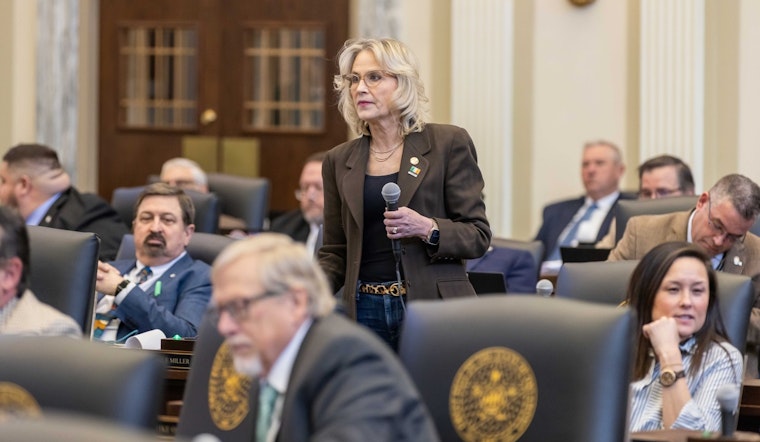
Forging ahead with legislative strides, the Oklahoma House of Representatives has just given the nod to a piece of legislation designed to raise the bar on notary public practices within the state. Last week, House Bill 2265, a brainchild of Rep. Nicole Miller, R-Edmond, successfully cleared the House, as reported by the Oklahoma House. The aim: to usher in an era of modernization for how Oklahomans appoint and regulate these key figures in legal and financial spheres.
According to the same source, these changes are not just about keeping up with the times. They're a conscious effort to craft a battalion of notaries public armed with the right knowledge and tools to perform their duties. "By establishing a clear examination process and requiring notaries to maintain detailed records, we are reinforcing the professionalism and accountability that Oklahomans expect from these important public officials," Miller underscored. This bill plans to implement a mandatory examination and introduce bolstered record-keeping, all without increasing application fees for the notaries involved.
In a statement made by the Oklahoma House, County Clerk Maressa Treat highlighted the specific benefit the bill is expected to have in combating property fraud. "We have seen an increase in property theft, often committed through fraudulent notaries," Treat said. She expressed her support for these legislative moves as essential steps in curbing property theft and safeguarding the security of Oklahoma residents.
Scrutiny over the notary process will tighten, as HB2265 necessitates applicants to navigate an exam that covers a range of topics from laws and procedures to ethical obligations. The bill imposes a ten-year record retention period on notaries for their notarial acts, with a particular emphasis on keeping these records in tamper-evident formats to prevent unauthorized alterations. "The goal here is simple: to ensure that notaries have the education and resources they need to perform their duties with the highest standards of integrity," Miller told the Oklahoma House.
HB2265, which passed with a decisive 90-3 vote, is now set to be deliberated in the Senate. If the Senators mirror the House's stance, Oklahoma could soon see a bolstered trust in the critical services notaries provide to its citizens.





