

























































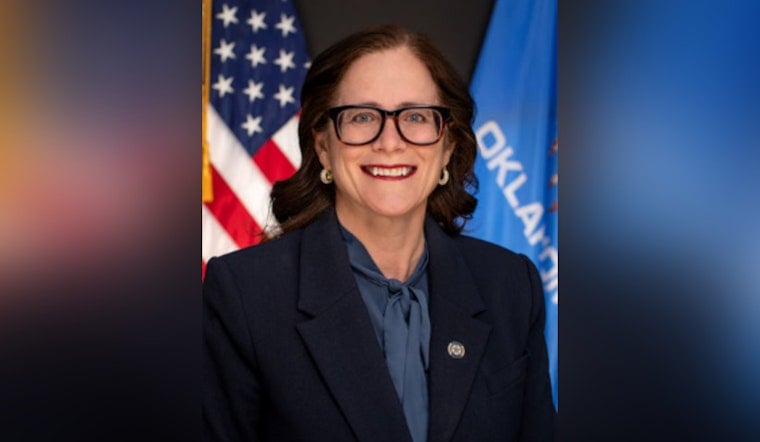
Amid ongoing controversy over social studies standards in Oklahoma, a significant legislative moment unfolded this week as the state Senate chose not to vote on resolutions aimed at disapproving the education policies put forth by Superintendent Ryan Walters. Senate Democratic Leader Julia Kirt, responding to this inaction, issued a pointed statement yesterday, expressing serious concerns over the Senate's failure to address what she described as "inaccurate, politically infused" curriculum guidelines.
According to a statement obtained by the Oklahoma State Senate's press office, Leader Kirt articulated the missed chance for the Senate to "check Superintendent Ryan Walters' power," a move she suggested was crucial in the protection of the state's educational integrity. Criticism has been lodged from various corners, including parents and bipartisan figures, each allying with Kirt's disapproval of the current standards.
The debate at hand revolves around the content of social studies education and the influence of political ideology on the curriculum taught in schools. Kirt's statement highlighted a growing concern among some Oklahomans about the introduction of teaching materials they find to be not just ideologically driven but also factually incorrect and inappropriate for various age groups. This concern is contextualized within a broader national conversation about educational content, historical narratives, and the role of partisanship in shaping what students learn.
Kirt was straightforward in her rebuke of her colleagues across the aisle, stating, "The Senate had an opportunity to check Superintendent Ryan Walters' power, and our Republican colleagues would not step up to put our kids first." The assertion carries a tone of frustration, shared by many who believe in the imperative of nonpartisan, accurate educational standards. Senate Democrats, as per Kirt's words, pledge to persist in their effort to counteract what they view as a politicization of the educational process.
The lack of a vote on Senate Joint Resolution 20 or Senate Joint Resolution 19 signifies a legislative stalemate, with Republican members of the Senate abstaining from moving forward on the measures that would repudiate the Superintendent's standards. This leaves the future of Oklahoma's social studies curriculum uncertain, with educational leaders, lawmakers, and the public continuing to engage in a heated debate over the path forward. For now, Kirt and her Democratic colleagues remain vocal in their commitment to "stand with Oklahomans and put people over politics."





