

























































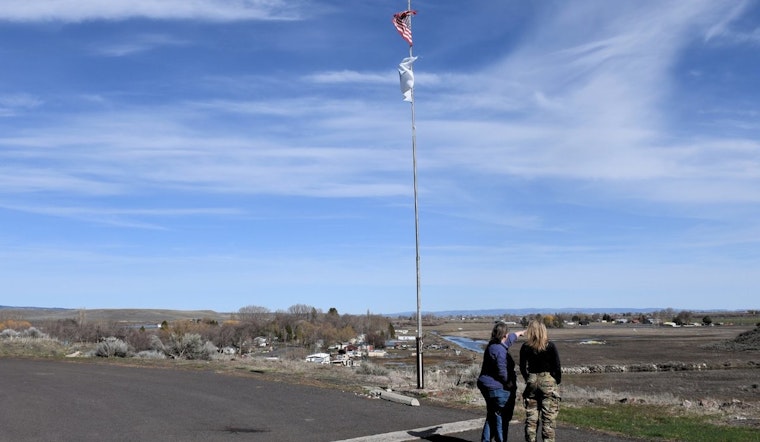
In a concerted push to facilitate the shift from emergency response to long-term recovery in Harney County, Erin McMahon, the Oregon Department of Emergency Management (OEM) Director, has recently set foot in the flood-ravaged areas. During her visit on Saturday, McMahon met with local leaders and community members to affirm the ongoing recovery strategies and assess the damage first-hand, as reported by the Oregon Newsroom.
After discussing the flood impact with Chair Tracy Kennedy and members of the Burns Paiute Tribal Council, McMahon commended the affected community for its resilience and rapid progression toward recovery. While visiting the American Red Cross Center, McMahon said, "It’s clear this is a strong community that is already making great progress toward recovery, even in the face of continued challenges," according to the same source. Along with recognizing volunteers, the director acknowledged the residents’ efforts in dealing with the aftermath of the flooding.
The OEM, maintaining a Level 3 activated State Emergency Coordination Center (ECC), is thoroughly engaged with multiple Emergency Support Functions (ESFs) and State Recovery Functions (SRFs), suggesting the approach towards recovery is proceeding with care, ensuring readiness to respond to any new developments. Although a more severe flooding scenario was anticipated due to above-average temperatures facilitating rapid snowmelt, the actual water levels stayed roughly 12 inches lower than predicted, easing fears of immediate additional flooding. All the while, the Red Cross continues its critical support by providing meals and cleaning kits to those affected.
Multiple community initiatives and agreements like the Oregon Resource Cooperative Assistance Agreement (ORCAA) are in place, bringing mutual aid and volunteer coordination through the Harney Hub, which has increased its operating hours to meet community needs, in a statement obtained by Oregon Newsroom. Serving two meals a day, the Burns Paiute Tribe is making concerted efforts to support its members in the Wellness Center, while OEM is stepping up with a landfill fee waiver to aid residents in debris disposal.
Health and public safety stand at the forefront of concerns, with compromised infrastructures posing serious threats for cross-contamination in floodwaters. This has raised alarms over potential risks, including E. coli and asbestos exposure among residents.





