

























































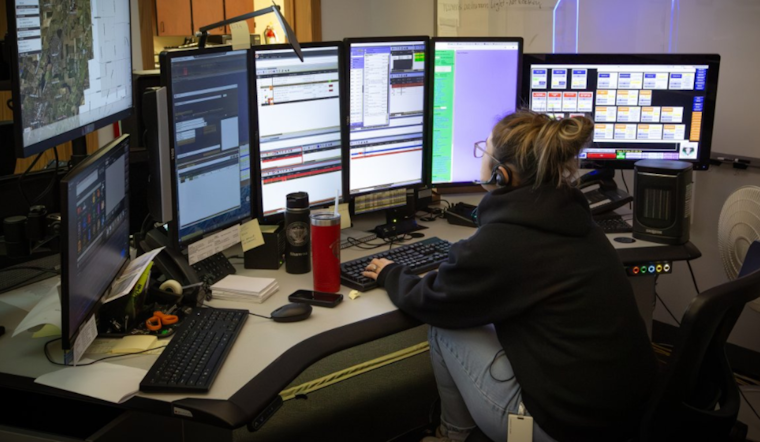
The vital role of telecommunicators—commonly known as 9-1-1 dispatchers—in Oregon's emergency response infrastructure can't be overstated, as they are the ones who ensure that the anxious calls for help from millions of Oregonians are answered and acted upon with urgency and care. These professionals are the unseen heroes who manage to soothingly navigate the chaos of emergencies daily, guiding both panicked callers and first responders with equal aplomb. As detailed in a recent article from the Oregon Office of Emergency Management, the certification process for these telecommunicators is rigorous, requiring them to complete a comprehensive training course provided by the Department of Public Safety Standards and Training (DPSST), in addition to hands-on field training and CPR and First Aid certifications, ensuring they're equipped for the life-saving work they do.
In Oregon, the certification process is taken very seriously to prepare these dispatchers—ensuring that they not only have the knowledge but also the practical experience to excel in high-stress environments. The Oregon Office of Emergency Management detailed the certification process, which includes obtaining employment at a safety agency recognized by the DPSST, completing the necessary coursework such as the DPSST Basic Telecommunicator Course, and then moving onto field training, which translates classroom lessons into real-world applications so candidates can engage practically with the demands of the role under the guidance of seasoned professionals. Maintaining non-expired CPR and First Aid certifications is critical to their performance, which allows these dispatchers to keep a cool head and give critical instructions that could make the difference between life and death.
Apart from the certification criteria, specialized skills are also essential for these telecommunicators to effectively handle the unpredictable nature of emergency scenarios. They must be adept at multitasking and making snap decisions, possess superior communication capabilities for conveying crucial information, and exhibit unwavering emotional resilience amid the daily toll of crises. Furthermore, they are expected to have problem-solving abilities that come into play as they provide interim solutions to callers before emergency services reach the scene. Technological proficiency is, of course, a given; mastering the software and tools required for the dispatching process is not just preferential. It is fundamentally necessary.




