

























































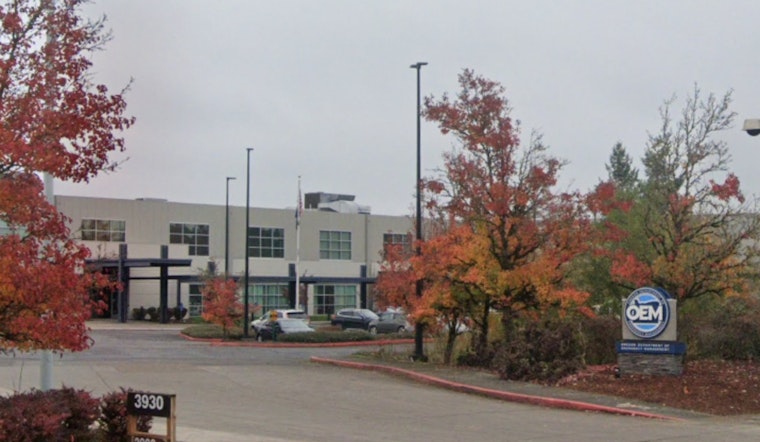
As Mental Health Awareness Month kicks off, it's worth noting that the Oregon Office of Emergency Management is shining a light on a less visible aspect of disasters: the mental toll they take on individuals and communities. In a move to deepen the conversation about mental health, the office stresses the importance of emotional well-being, not only post-disaster but preemptively and during crises as well. The office highlights the psychological afflictions that tend to surge in the wake of disasters—a spectrum that includes anxiety, depression, and PTSD, particularly pronounced in vulnerable populations such as children and the elderly, as reported by the Oregon Department of Emergency Management.
Yet, seeking support to cope with these issues is fraught with challenges. According to the Oregon Office of Emergency Management, "Limited awareness of available mental health resources," and "Stigma surrounding mental health conversations" are significant barriers. They also mention how strained healthcare systems and access issues can further to complicate seeking help. For communities scattered or uprooted by disasters, these problems can be exacerbated by instability.
The office is advocating for preparedness strategies to help individuals fortify their mental resilience against disasters. Tips include creating emergency plans, maintaining a ready supply kit, and fortifying community networks that are critical in times of need. They also emphasize the value of equipping first responders with mental health training can significantly improve how they aid those affected.
Access to mental health support is more achievable now with services such as the Disaster Distress Helpline, 988 Lifeline, and the AgriStress Hotline for farmers, ranchers, and others in similar professions. All are working to provide counseling and assistance, with special focus on bridging the connectivity gap for those in remote areas. The Oregon Health Authority also has a comprehensive list of crisis lines and resources accessible through their website and through the 211 Info hotline, as detailed by the Oregon Department of Emergency Management.
The Oregon Department of Emergency Management is encouraging people to talk openly about mental health. They say, “Seeking help is a sign of strength, not weakness,” and believe sharing stories can help others feel supported. The National Alliance on Mental Illness is also asking people to share their experiences to break down myths and build a more understanding community.


