

























































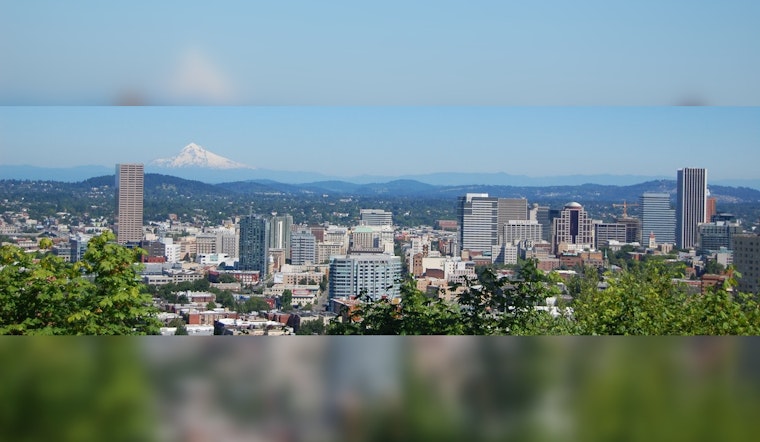
Portland residents have made their voices heard in the latest city survey, offering a frank snapshot of life in Oregon's urban heart. The 2024 Portland Insights Survey, a collaboration between the City of Portland and Portland State University’s Regional Research Institute for Human Services, garnered input from over 4,000 citizens on various topics concerning their living experiences. While parks and outdoor spaces received a thumbs-up, the rising tide of homelessness and affordability issues remain as stark concerns for many.
Proudly, Portlanders celebrate their city's parks, natural areas, and cultural hotspots—87% rating local parks good to excellent. Yet, this contrast finds its echo in the deep-seated issues with housing and personal security that seem to stubbornly persist. Survey findings indicate a community grappling to hold together amidst economic stresses and social divides—a community urgently reaching out for tangible improvements in safety and shelter. "The results of this survey are a powerful snapshot of how Portlanders were experiencing their city last summer," Mayor Keith Wilson asserted, recognizing the need to pivot policy efforts in response to these cries.
The survey went beyond mere check boxes, providing an intricate view of residents' preferences for city engagement. Communication dynamics are evolving; more Portlanders prefer digitally connecting with municipal government through email or the city's website, and awareness of PDX 311—a non-emergency information line—has seen a noteworthy increase. Regardless of the chosen platform, however, there remains a sense of friction when attempting to navigate government channels, with sentiments around difficulty and dissatisfaction being voiced by respondents.
With data to back decision-making, Portland's policymakers are looking to turn insights into action. Key results from the survey are slated to be integrated into Performance Portland, a pilot project designed to chronicle and address city service trends and their impacts. From the cost of housing to public safety, the initiative aims to bridge the disconnect between services and citizen satisfaction. Such efforts, alongside increased dialogue with historically underrepresented communities, are steps forward in a city striving to not only hear but to understand and act upon the varied voices of its inhabitants.
Safety, a core issue highlighted in the survey, brings forth a nuanced picture. Most Portlanders report feeling secure in their neighborhoods, varying by district and time of day, yet the central city's nocturnal vibe sets off alarms for many, with District 1 residents, in particular, feeling less secure. Addressing these nuanced perceptions, the city's approach to public safety services is now under a microscope, with disparate opinions on the appropriate mix of responders—be it police officers, paramedics, or behavioral health specialists—for varying emergency situations.
A city of contrasts then: this is the Portland unveiled in the latest set of responses, a place where satisfaction and concern walk hand in hand. As Portland continues to fashion itself as a home for all walks of life, attentiveness to the collective wisdom of its citizens seems a critical step on the path to progress.



