

























































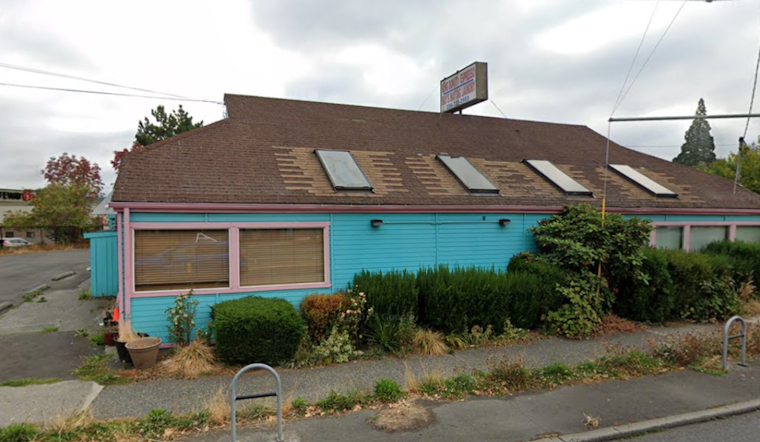
Following a series of violent incidents, the Capri Bar, a Rainier Beach neighborhood establishment, has been branded a "public nuisance" by Seattle police. The most recent event, a harrowing shooting on March 30 that claimed two lives, has intensified scrutiny on the venue. According to a report by KIRO 7, locals recall the aftermath of the shooting with the street bordered by police tape and swarmed by patrol cars. Dave Sanders, living directly across from Capri Bar, described the terrifying events, saying, "I was sleeping and I heard something go bow, bow, bow, bow, bow! And I got up and I saw cars run off and then a hundred police cars after that."
Further complicating the situation, the Capri, which operates as a hookah lounge, has been implicated in illicit alcohol sales. City attorneys have lodged two counts of possessing liquor at a public place without a license against Masabo, the Capri's operator. This follows a March 9 inspection by state Liquor and Cannabis Board officers who seized three open bottles of tequila onsite. Masabo claimed the bottles belonged to the DJ, as noted in an investigative report uncovered by The Seattle Times. The venue, lacking a liquor license but carrying endorsements for cigarette and tobacco sales, had already been on the authorities' radar due to complaints of alcohol sales and violence.
In response to these incidents, the Seattle Police Chief has identified the Capri as a 'chronic nuisance,' which seeks to cast a brighter regulatory spotlight on troublesome businesses. The label comes with tangible repercussions. As long as Chief Barnes deems the property a 'chronic nuisance,' the property owners could face monetary penalties that escalate to $500 per day. According to a statement detailed by KOMO News, this measure is devised not only to press business owners but also to provide support for navigations of permit protocols and to soothe the frayed nerves of communities shaken by such incidents.
If it fails to comply in resolving the issues outlined, Bar Capri LLC faces more severe consequences, including a potential civil penalty of up to $25,000.





