

























































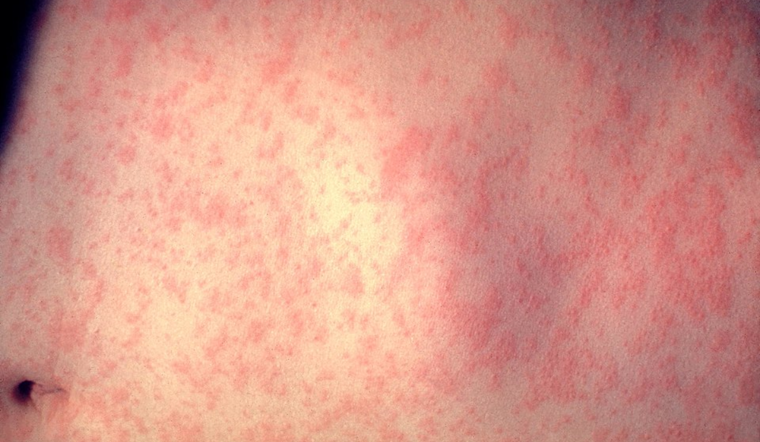
Denver health authorities have reported a second adult case of measles this year, as confirmed by the Denver Department of Public Health & Environment (DDPHE) in collaboration with the Colorado Department of Public Health & Environment. Following the first reported case earlier in April, the new infection was found in a person who had close contact with the initial patient and had been in quarantine throughout their infectious period. According to DDPHE, public health assessments have shown no further risk of measles exposure to the general public stemming from this latest development.
The necessity for quarantine in individuals not immune to measles becomes imperative, especially after direct contact with an infected person, to curb this highly contagious virus from spreading further within the community. According to DDPHE, "The person has been in public health quarantine during their infectious period." To this effect, health directives emphasize the importance of following quarantine measures.
Denizens of Denver are encouraged to confirm their vaccination status against measles, which remains the most effective defense. The Centers for Disease Control and Prevention (CDC) recommends that children receive one dose of the MMR vaccine between 12 to 15 months of age and a second dose between 4 to 6 years old. Adults without evidence of immunity should also consider vaccination, particularly if they plan for international travel. For those uncertain of their immunization history, records can be obtained from Colorado’s immunization database or via inquiries with healthcare providers.
Individuals who have not received the MMR vaccine and do not intend to can safeguard their health by vigilant monitoring for measles symptoms. "If symptoms develop, immediately contact your health care provider by phone," advises the DDPHE. By reporting potential exposure before an in-person visit, they can reduce the risk of transmitting measles to others. In circumstances of uncertainty or additional queries, Denver residents have the resource of reaching out to the DDPHE's public health nursing team via email for guidance.





