

























































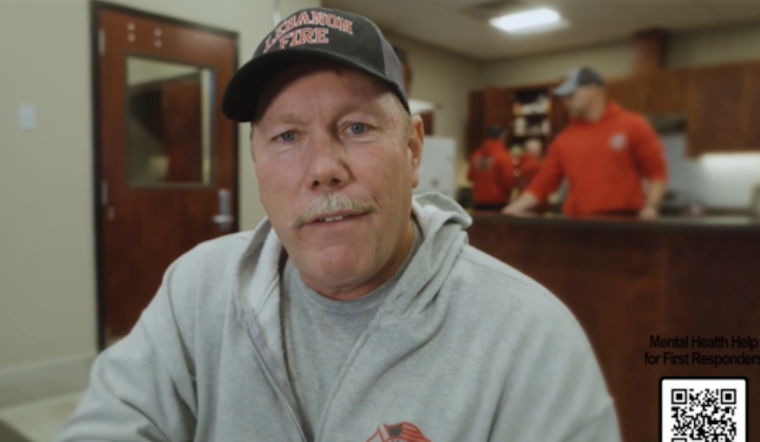
In a significant move aimed at confronting the often-overlooked mental health challenges of first responders, the Tennessee Department of Mental Health and Substance Abuse Services (TDMHSAS) has rolled out a new campaign. This initiative is set to tackle the stigma of seeking psychological help, providing a refreshing spin on the traditional tough-it-out mindset prevalent among emergency personnel.
It's no secret that the stress and trauma inherent in first responder work lead to a higher incidence of mental health and substance use disorders among these individuals compared to the civilian population. TDMHSAS Commissioner Marie Williams, LCSW, underscored the necessity of opening up about mental health struggles, noting, "The days of suffering in silence are over. The job has changed, and the support available for the men and women in these roles has changed too. It really is OK to speak up about your mental health because you’re not alone," as reported by the Tennessee Department of Mental Health and Substance Abuse Services.
The campaign's messages are clear and direct: acknowledging mental health issues is an act of strength, not weakness, and there exist specialized resources for first responders facilitated by peers who have navigated similar experiences. The Tennessee Public Safety Network is at the forefront, utilizing a peer-led approach to enhance the support system for those in the trenches of emergency services.
Peter Cove, CEO and Training Manager of the Tennessee Public Safety Network elaborated on their mission, "We are peer led by a group of dedicated peers who have all experienced stress and trauma on the job and have been specifically trained to help other first responders process similar events. We are supported by licensed mental health professionals, vetted by the Network, who work with us as volunteer team members." Cove emphasized the confidentiality of their services, which are offered free of charge and protected under Tennessee's privileged communication law, in statements outlined by the Tennessee Department of Mental Health and Substance Abuse Services.
Investing in the psychological well-being of first responders isn't just about personal health—it's also a strategic move for the communities that rely on their service. Dr. Derrick L. Edwards from Tennessee Tech University stresses the importance of recognizing and addressing the psychological costs incurred by emergency workers. Highlighting the multitude of pressures they face, Dr. Edwards acknowledges the deep need for valuable resources and care.





