

























































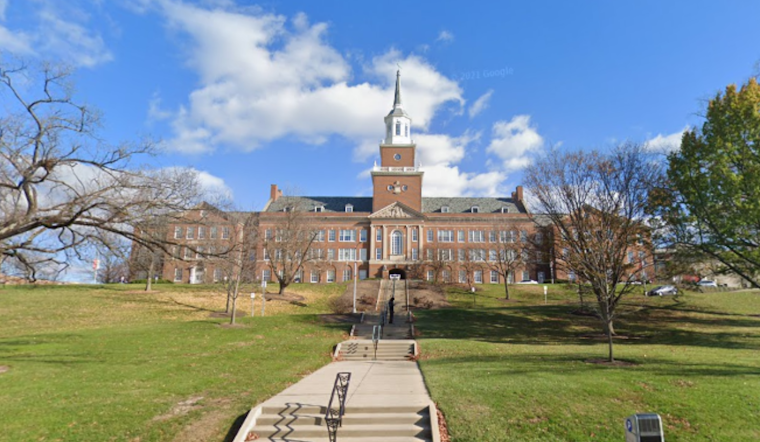
The University of Cincinnati is taking flight with a new initiative to protect our avian neighbors. As reported by FOX19, the Old Chem building on the university's Uptown campus recently underwent a $190 million renovation, including installing bird-safe glass windows. An effort to reduce the hundreds of thousands of annual bird deaths caused by glass window collisions, these newest features display patterns of dots designed to alert birds to the man-made hazard.
According to the U.S. Fish and Wildlife Service, reflective windows pose significant threats to bird populations worldwide, with an estimated 1.4 billion birds perishing each year in North America alone from such encounters. UC College of Arts and Sciences biologist Ronald Canterbury, who has been studying bird mortality for over a decade and a half, highlighted the dire consequences of these glass impediments. He told UC News, "Glass windows are the leading killer of birds. They think they're flying into a tree but it's a tree reflection and into the glass they go." This new project represents a substantial step toward reducing avian fatalities.
The Old Chem building's windows, now adorned with life-saving dot patterns, offer a solution that could influence sustainable practices beyond the university's borders. In a statement obtained by UC News, UC Professor Theresa Culley remarked on the potential of the renovations to serve "as a demonstration project for other businesses or institutions interested in sustainable solutions." The initiative sheds light not only on the structure itself but also on the possibility of a wider adaptation of bird-friendly architectural practices.
While the University of Cincinnati's move to address the serious issue of bird mortality due to building collisions is notable, it also represents a growing awareness and responsibility towards wildlife conservation in urban development. As our cities grow, integrating nature-oriented technologies like the bird-safe glass at Old Chem will hopefully become standard, mitigating the clash between human expansion and the natural world. To learn more about the university's conservation efforts, watch the FOX19 story through the University of Cincinnati.



