

























































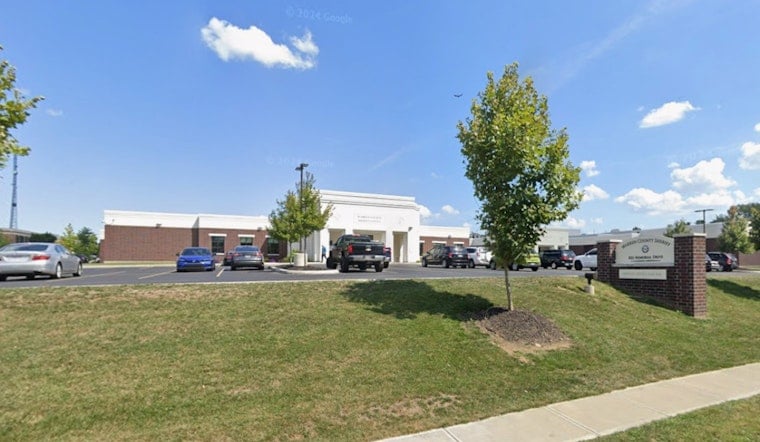
A 72-year-old woman drowned in a hot tub on a rural property outside Waynesville, Ohio, Thursday morning, according to the Warren County Sheriff's Office. Sheriff Barry Riley said the woman was found in a hot tub at a property on East Lower Springs Road in Wayne Township, and investigators do not currently suspect foul play.
The Wayne Township Fire Department responded to the scene on East Lower Springs Road and pronounced the woman dead, as reported by WKRC. Authorities have not released the woman's identity or additional details about the drowning, and the case remains under investigation, per the station's report.
A Rural Warren County Backdrop
Wayne Township is a rural stretch of northeastern Warren County that surrounds the village of Waynesville and recorded a population of 8,658 in the 2020 census, according to the U.S. Census Bureau. The township spans 46 square miles and includes Caesar Creek State Park, giving it the kind of spread-out, wooded character common to much of the county outside its faster-growing suburbs.
Sheriff Riley took over as Warren County's top law enforcement official after winning election in November 2024, following nearly 30 years with the sheriff's office, including a stint as chief deputy, according to Springboro City Council records. He succeeded longtime Sheriff Larry Sims, who retired at the end of 2024.
Why Hot Tubs Pose Special Risks for Older Adults
Federal safety regulators have long treated hot tub temperature as a hazard requiring strict limits. The Consumer Product Safety Commission mandates that residential hot tubs and spas not exceed 104 degrees Fahrenheit, a cap intended to prevent severe hyperthermia and loss of consciousness, according to guidance compiled by Pool Operation Management. That 104-degree ceiling dates back to 1987, when regulators acted after documented hyperthermia fatalities in hot water spas that, before the rule, sometimes ran as hot as 106 to 110 degrees.
Even within that legal limit, agency guidance recommends limiting soaks near the maximum temperature to just 15 to 20 minutes, since heat-induced drowsiness or sudden dizziness can lead to accidental submersion, per safety information cited by Cal Spas of Minnesota. Extended exposure to hot water can prevent the body from shedding excess heat, compounding the risk.
Older Adults Face Elevated Drowning Risk Nationally
The physiological dangers are not limited to overheating. Medical research shows hot tub immersion can trigger rapid vasodilation and cardiovascular strain, causing sudden drops in blood pressure and loss of consciousness in people with cardiovascular conditions, according to research summarized by Gitnux. Those rapid blood pressure shifts can cause a person to faint before they can exit the water.
National data underscore how vulnerable older adults are to drowning in general. A Centers for Disease Control and Prevention Vital Signs report published in May 2024 found unintentional drowning death rates among U.S. adults aged 65 to 74 rose 19% in 2022 compared with 2019 levels, with overall U.S. drowning deaths topping 4,500 annually between 2020 and 2022. Separate CDC surveillance data show adults 65 and older have the second-highest rate of accidental drowning of any age group in the country, trailing only children ages 1 to 4, with health officials citing reduced physical capacity and medical comorbidities as key contributing factors.
No cause of death has been officially determined in the Waynesville case, and the Warren County Sheriff's Office has not said whether water temperature or a medical event played a role. The woman's identity has not been released, and investigators have not indicated when that information, or further findings, might become available.





