

























































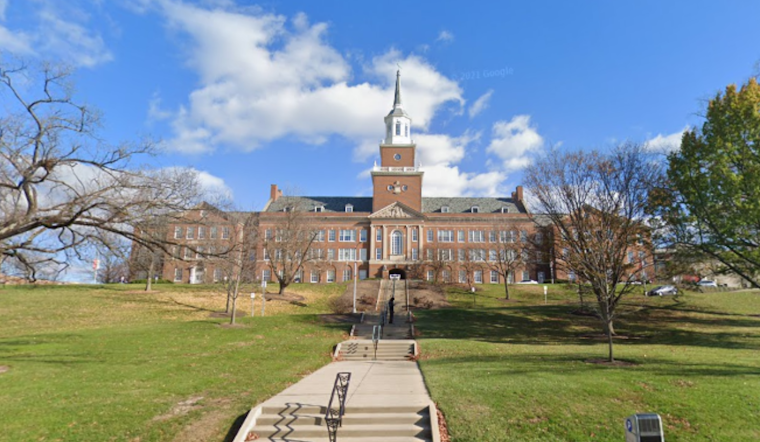
A herd of prehistoric rhinos that once roamed the now plains of northeast Nebraska didn't have the wanderlust one might expect from such majestic beasts. University of Cincinnati research tells us these ancient creatures, buried en masse in a catastrophic volcanic event 12 million years ago, were homebodies of sort.
Their final resting place, known as the Ashfall Fossil Beds State Historical Park, has puzzled researchers ever since its discovery in 1971. Over a hundred rhinos were found together, seemingly victims of a disaster at a single water hole. Initially, it was thought that they may have converged from afar, driven by an instinct to find sanctuary against the Yellowstone supervolcano's wrath. But Clark Ward, a UC graduate and the study's lead author, shed light on the animals' behavior, noting, "We found they didn’t move very much." This observation implies that the rhinos lived in what scientists now reference as super-herds, leading lives largely local to the area of their demise.
Ward and the team delved into the isotopic details of the rhino teeth to understand better their travel patterns—or lack thereof. The lack of evidence for seasonal migration or an exodus in response to the impending doom of volcanic ash suggests these rhinos were anchored to their habitat.
The significance of this revelation isn't lost on paleontologists seeking to piece together the puzzle of prehistoric life. Despite the circumstances these rhinos faced, evidence points to them having remained steadfast, with no plans for escape or evasion. "We didn’t find evidence for seasonal migration or any evidence of a response to the disaster," Ward stated in an interview with the University of Cincinnati. Such findings challenge previous notions of prehistoric animal behaviors and underscore the notion that our assumptions about the past often require re-evaluation in the face of new evidence.
As the world delves deeper into the hidden chapters of Earth's history, discoveries like these are not only expanding our knowledge but also proving that nature's past complexities are more profound—and perhaps more relatable—than we might have assumed.





