

























































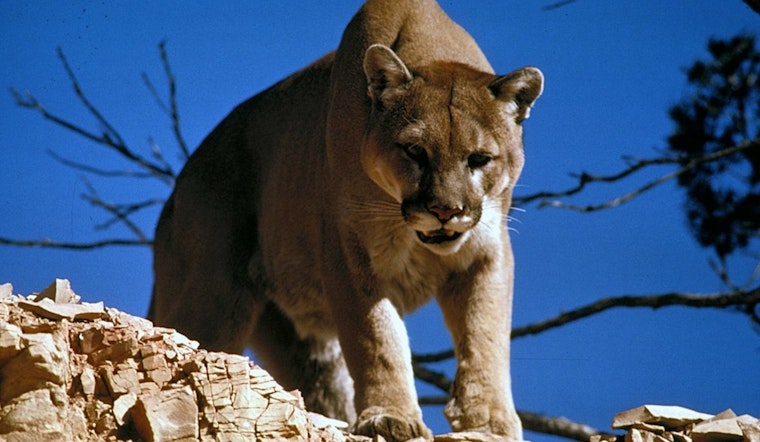
In the rugged landscape of Yellowstone National Park, a fresh study from the University of Minnesota is shifting our understanding of the food fight happening among top predators. The research, highlighted in Communications Biology, delves into the impact of prey size on the dynamics of competition between wolves, bears, and cougars, as reported by the University of Minnesota.
Collecting data over two decades, the researchers observed that as larger prey, such as elk, became harder to come by, cougars adapted to hunt smaller pickings like deer, as detailed by the University of Minnesota. This strategic shift allowed them to better avoid losing their kills to the more dominant wolves and bears.
Jack Rabe, a graduate student at the College of Food, Agricultural and Natural Resource Sciences, and the study's lead author, noted the intricacies of the survival tactics among these carnivores. Rabe told the University of Minnesota, "We found that shifting cougar behavior is likely a key factor in the ecosystem's stability." Rabe further explained, "By opting for smaller prey, cougars reduce the amount of time they spend hunting to make up for kills lost to other carnivores. This allows them to maintain a relatively stable kill-rate, which, in turn, contributes to the overall balance of the predator-prey dynamics in the park."
In areas lacking variety, the delicate balance of the food web might more easily be disrupted, leading animals to potentially more fierce competition. This study was a collaborative effort involving multiple partners, including the Yellowstone Wolf, Cougar, and Elk Project supported by the National Park Service and Yellowstone Forever. Funding sources included the United States Geological Survey and the National Science Foundation.




