

























































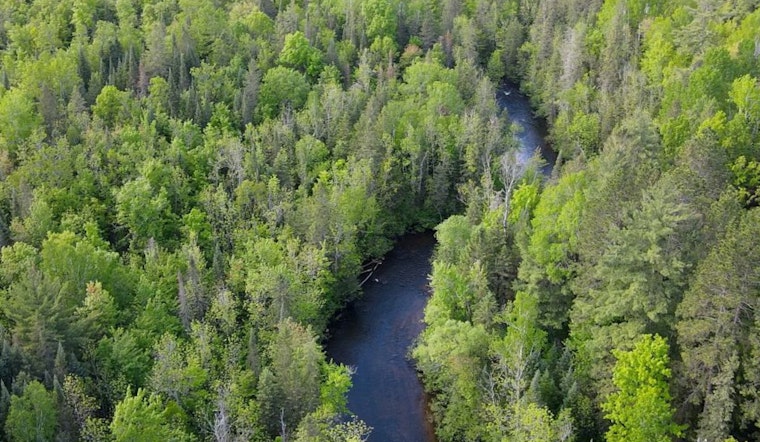
As Wisconsin gears up to observe Forest Appreciation Week from April 21 to Arbor Day on April 25, residents across the state are encouraged to turn their attention to the leafy guardians of the ecosystem. The week includes Earth Day on April 22 and is designed to not only celebrate trees but also to remind Wisconsinites of the crucial role forests play in ecological, economic, and cultural spheres. The Wisconsin Department of Natural Resources (DNR) is partnering with various communities and organizations to highlight the importance of both urban and rural forests. "Everyone has a role in ensuring that forests continue to serve a vital role in the ecological, cultural and economic health of our state, our local communities and our individual lives," said Carmen Hardin, DNR Applied Forestry bureau director, in a statement obtained by the Wisconsin DNR newsroom.
With over 17 million acres of forests blanketing nearly half of Wisconsin, these natural spaces are imperative in safeguarding water resources, providing wildlife habitats, and supporting the forest industry. They also function to quite literally cool down urban environments and have been shown to aid in stress relief. Beyond these benefits, forests are pivotal in the fight against climate change by trapping and storing carbon dioxide. Recognizing the need to be good stewards, the State of Wisconsin has committed to a tree planting and forest conservation pledge. This pledge is ambitious, aiming to bolster the stewardship of these green spaces and address the equitable distribution of the urban tree canopy.
In a significant move to protect against deforestation, Governor Tony Evers and the DNR have revised the state’s Trillion Trees Pledge. In 2024, they increased the goal from planting 75 million to 100 million trees by the end of 2030. Wisconsinites, too, are called upon to contribute by planting trees and tracking them on the Wisconsin tree planting map, and by caring for trees within their neighborhoods. These efforts have positioned Wisconsin as a leading state with the third-highest number of Tree City USA communities, according to the same release from the DNR.
Outreach has also extended into education. This year, over 54,000 tree seedlings were donated to fourth graders across Wisconsin in honor of Arbor Day, aiding in the cultivation of a new generation of forest stewards. The DNR didn’t stop there; they also gifted more than 500 seedlings to the Badgerland Council of the Girl Scouts of America for distribution at their Arbor Day event. These actions go hand in hand with the DNR's century-long reforestation efforts, which have thus provided more than 1.6 billion seedlings to Wisconsin landowners since 1911. Such investments by communities and individuals of all ages endeavor to ensure that Wisconsin's urban and rural forests remain bountiful resources for future generations, as mentioned in the DNR news release.




