

























































The new fishing license year in Wisconsin has officially commenced today for all those casting lines in state inland waters. According to an announcement by the Wisconsin Department of Natural Resources (DNR), fishing enthusiasts over the age of 16, both residents and nonresidents, are required to hold a valid 2025-2026 general fishing license. As of the same date, new fishing regulations have also come into effect for the current season.
Anglers looking to purchase their annual licenses can do so for $20, with a shared spousal license available at $31. The DNR encourages purchasing licenses without delay using their Go Wild online system, visiting registered sales locations or DNR Service Centers. While the general inland fishing season begins on May 3, plentiful fishing opportunities are already present statewide.
Wisconsin waters offer year-round hook and line fishing for several species, though anglers should be aware of particular regulations pertaining to species, sizes, and bag limits. Further details can be found by checking the Special County Regulations. Catch and release bass fishing is likewise available throughout the year in most inland waters. The early catch and release trout season is already underway and will remain open until May 2, as outlined by the DNR's 2025-2026 trout regulations.
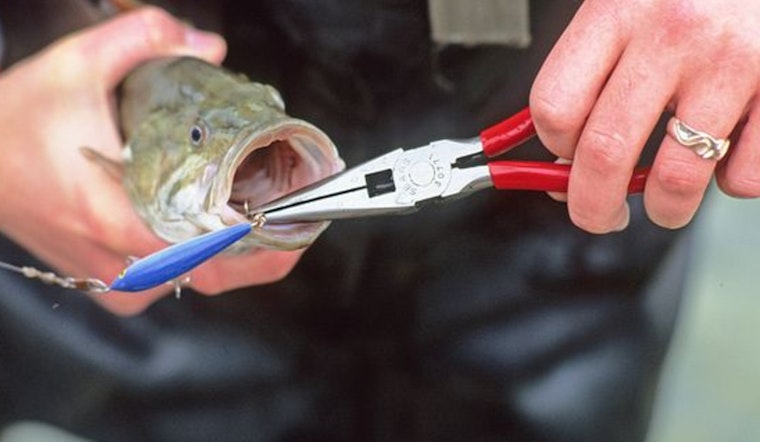
To ensure the conservation of aquatic life, the DNR stresses the importance of proper fish handling during catch and release, with resources and a tutorial video available on their Responsible Release webpage. The start of the season also brings a reminder for anglers to protect waterways against invasive species. Measures such as inspecting and disinfecting gear, draining all water from equipment, and proper disposal of unwanted bait are advocated to prevent their spread.
In continuation of environmental preservation efforts, the DNR specifies that leftover minnows may only be transported away from a body of water if no other fish or water from a different source have been mixed in. As spring arrives and anglers take to the waters once more, following these guidelines ensures not only compliance but also the continued vibrancy of Wisconsin's natural aquatic habitats.





