

























































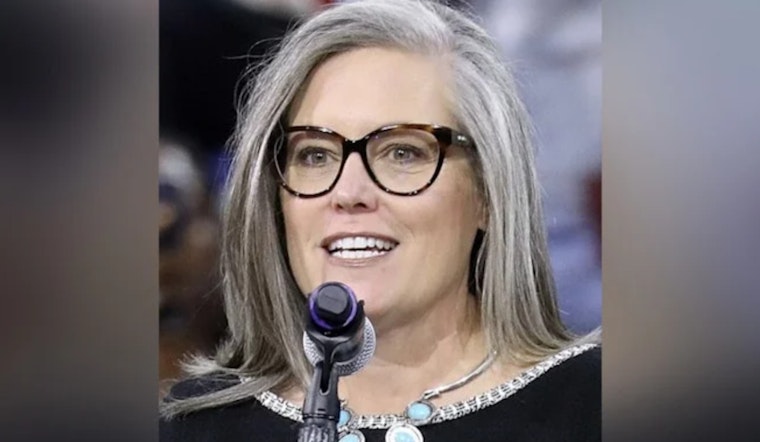
Arizona's health care system is facing a daunting challenge as federal Medicaid cuts loom on the horizon. As reported by the Office of Arizona Governor Katie Hobbs, the potential reduction in funds could have dire consequences for residents throughout the state—particularly those in less populated areas. In a recent roundtable with medical professionals, Governor Hobbs and these providers expressed their deep concerns about the implications of these cuts, warning of far-reaching impacts on health coverage for hundreds of thousands of Arizonans and on the very sustainability of local hospitals and health clinics.
"These proposed federal Medicaid cuts threaten to instantly kick hundreds of thousands of Arizonans off their health insurance and could devastate clinics and hospitals throughout Arizona, especially in rural areas," Governor Hobbs stated, as published by the governor's office. She emphasized the irresponsible endangerment of Arizonan's health by politicians in Washington, urging Congress to swiftly change its course to avert what she views as an inevitable crisis for the state's taxpayers and healthcare infrastructure.
Healthcare providers echoed the governor's urgent plea by highlighting the particular vulnerability of rural communities. Dr. Brianna Hillier, DMD, Director of Dental Services at Chiricahua Community Health Centers, pointed out, as published in the governor's office statement, that "In rural Arizona, Medicaid is more than just health insurance - it means a child doesn’t have to wait in pain for a dental abscess to turn dangerous." She details the vital role Medicaid plays in affording access to preventative dental care that predicates a child's ability to grow up healthy.
Voices from various medical practices across the state have called attention to the foundational support Medicaid provides to their services. "Out here, we’re used to doing more with less. But cuts to Medicaid mean doing less with nothing—and that’s not something our communities can afford," Christopher Hansen, CEO of Canyonlands Healthcare, made the point in an interview published by the governor's office, underscoring the fragility of rural health services in Arizona. Another healthcare leader, Amy Taylor, CEO of Mariposa Community Health Center, painted a bleak picture of what these cuts could signify for border and rural communities, stressing that the elimination of Medicaid could pull the plug on basic care critical to family wellbeing.
Even as the debate over funding courses through the veins of political discourse, the healthcare providers on Arizona's frontlines—their hands bound not by red tape but by the lives they've sworn to mend—remain steadfast in proclaiming the indispensable significance of Medicaid. Dave Cheney, President & CEO of Northern Arizona Healthcare, acknowledged the reliance of rural residents on Medicaid and cautioned about the heightened impact on the tribal communities they serve. As told by the governor's office, the reductions pose a particularly acute threat to tribal members reliant on Medicaid's special provisions coordinated with Indian Health Services. Jessica Yanow, CEO of the Arizona Alliance for Community Health Centers, lamented how this federal proposal might retrench the gains made in optimizing Medicaid for underserved populations.
Collectively, these stakeholders in Arizona's healthcare system are issuing an urgent call to action for policymakers in Washington, D.C. The potential cuts to Medicaid are not simply a line-item on a budget for them, but a harbinger of health hardships to come should their plea go unanswered. It remains to be seen whether the chorus of concern will sway the legislative agenda and preserve the Medicaid funding upon which so many in Arizona depend.



_(cropped).jpg)